
*This post may contain affiliate links for which I earn commissions.*
Do you ever hit that wall around 2 or 3 p.m. when your focus disappears, your eyelids get heavy, and suddenly your to-do list feels impossible? You’re not alone.
For many women over 40, that afternoon crash feels stronger than it used to. Maybe you’re juggling work deadlines, family needs, and hormonal changes — and it all seems to collide right after lunch. You might wonder: Why does my energy tank every afternoon?
The truth is, midlife brings subtle shifts in hormones, metabolism, and even how your body processes food and caffeine. The good news? You don’t need to “power through” or reach for another coffee to survive the slump. With a few smart tweaks, you can create steady energy that lasts all day.
In this post, we’ll walk through what really causes that dip, what to avoid, and five realistic habits that help you feel alert, focused, and energized — even after 3 p.m.
Understand What’s Really Behind the Afternoon Crash
You might think your mid-afternoon fatigue is just from lack of sleep or too much work — and sure, those play a part. But for women over 40, other factors often sneak in.
As estrogen and progesterone start to fluctuate in perimenopause, your blood sugar balance and stress response change too. That means your body might not handle carb-heavy lunches or caffeine hits the way it used to.
If you’ve ever felt like one cookie turns into five, followed by an energy crash — you’ve felt this firsthand. I used to grab something sweet because it gave me that “quick lift.” But within an hour, I’d feel foggy and sluggish again. Once I started pairing my snacks with protein and fiber, that roller coaster finally evened out.
The first step in beating the slump is awareness. Once you know what’s going on, you can make small shifts that actually work with your body, not against it.

Rethink Your Lunch: Fuel, Don’t Flatten Yourself
That post-lunch crash often starts with what’s on your plate. A meal that’s heavy in refined carbs — like a sandwich and chips or pasta leftovers — can spike your blood sugar fast, then drop it just as quickly. I LOVE potato chips and was adding chips for many days at lunch. I was tracking them so it was just a small portion, yet I noticed they were not providing the protein and fiber I needed and not fueling me like I needed.
Instead, think protein + fiber + color.
- Protein: Helps stabilize blood sugar and keeps you full longer.
- Fiber: Slows digestion for steady energy.
- Color: Adds vitamins and antioxidants that support hormone balance and energy.
Some easy swaps:
- Try a grilled chicken salad with avocado and quinoa instead of a sandwich.
- Choose Greek yogurt with berries and chia seeds instead of a granola bar.
- Add a handful of nuts or a boiled egg to your lunch for an extra boost.
I also started keeping a clean protein powder in my bag — it’s been a game changer. I’ll mix a scoop with almond milk for a quick “energy rescue” on long afternoons.


Move — But Keep It Gentle
Here’s the irony: when you’re exhausted, moving your body can feel like the last thing you want to do. But the right kind of movement actually gives you more energy, not less. It can also give you those good endorphines. The best feeling.
A short walk outside, 5–10 minutes of stretching, or even walking a few flights of stairs can increase circulation, oxygen, and mood-lifting endorphins.
These resistance bands are really helpful to get the blood pumping.
When I worked from home for a short time, I started setting a reminder to get up at 2:30 p.m. — even just for five minutes. I’d walk to the mailbox or do a few bodyweight squats in the kitchen. It sounded silly at first, but it made a huge difference. I came back to my desk with clearer focus and way less brain fog.
If you’re at work, try standing during a meeting or walking around while on a call. You don’t need to “fit in a workout” — just move your body a little. I currenlty work in a school and I find quick “moments” where I can walk to the work room or bathroom and get that movement in with quick trips around the school.
Hydrate Smarter (and Cut the Caffeine Trap)
By 40, your body’s ability to tolerate caffeine changes. What used to perk you up might now cause an energy crash later or make sleep harder that night. I started noticing this. Coffee does not help like it has in the past.
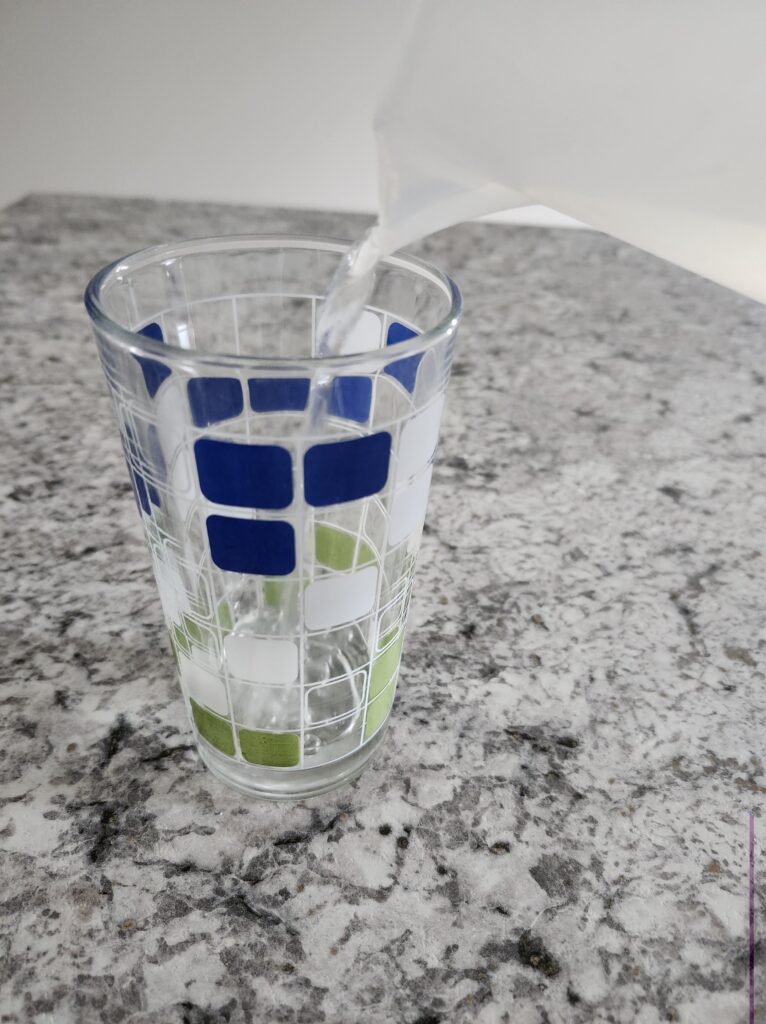
Try setting a caffeine “cut-off time” — for most women, that’s around noon or 1 p.m. After that, switch to herbal tea, sparkling water, or a hydration mix with electrolytes (especially if you’re active or sweat a lot during workouts).
And don’t underestimate plain water. Even mild dehydration can make you feel tired and unfocused.
I noticed that my afternoon headaches almost disappeared once I started keeping a 24-oz insulated water bottle on my desk. Sometimes, what feels like “I need a snack” is really “I need water.”

Create a 3 P.M. Reset Ritual
Instead of reaching for sugar or coffee, create a short, calming ritual that helps your mind and body reset. This can be as simple as:
- A quick breathing exercise
- A short gratitude journal entry
- Stretching your shoulders and neck
- Stepping outside for sunlight
These little pauses cue your nervous system to shift out of stress mode — which helps balance cortisol and keeps your energy steady.
Here’s what mine looks like: Around 3 p.m., I make a cup of mint tea, stand by the window, and write one sentence in my journal about something going well that day. It takes two minutes, but it helps me refocus and stop that “afternoon spiral” of overwhelm.
If journaling appeals to you, try keeping a small wellness journal nearby. It’s a gentle way to track energy levels, hydration, meals, and mood — and it’s amazing how quickly patterns start to show.


Your Afternoon Energy Checklist
To recap, here’s your simple Afternoon Slump Survival Plan — pick one or two to start:
✅ Eat a balanced lunch with protein, fiber, and color
✅ Add a short walk or stretch break at 2:30 p.m.
✅ Hydrate — aim for half your body weight in ounces per day
✅ Cut off caffeine after noon
✅ Create a 3 p.m. reset ritual that feels relaxing
Small steps really do stack up. You don’t need to overhaul your routine overnight — just build energy habits one at a time.
Give Yourself Grace
If your energy isn’t what it used to be, it doesn’t mean you’re doing anything wrong. Your body is changing, and that’s okay. You’re simply learning how to support it in new ways.
The afternoon slump doesn’t have to control your day — with a few thoughtful swaps, you can feel more focused, calm, and in control of your energy again.
And remember: rest and nourishment aren’t luxuries. They’re part of how you show up strong — for your work, your family, and yourself.So next time you feel that dip coming on, take a deep breath, sip your water, and remind yourself — you’ve got this. Be patient with yourself.
Optional Energy Support for Midlife
If you’re looking for a gentle metabolism-supporting boost to pair with your morning tea or coffee, I’ve tried Java Burn and found it helps me stay steady without extra caffeine jitters.”