
*This post may contain affiliate links for which I earn commissions.*
If you’ve ever looked in the mirror in your 40s and thought, “Why does my body feel different—even when I’m not doing anything differently?” you’re far from alone.
Between the hormonal shifts of perimenopause, rising stress, and the constant pull of work, family, and responsibilities, it can start to feel like your body is changing without your permission. Energy dips lower, sleep gets trickier, and weight seems to stick around longer than it used to.
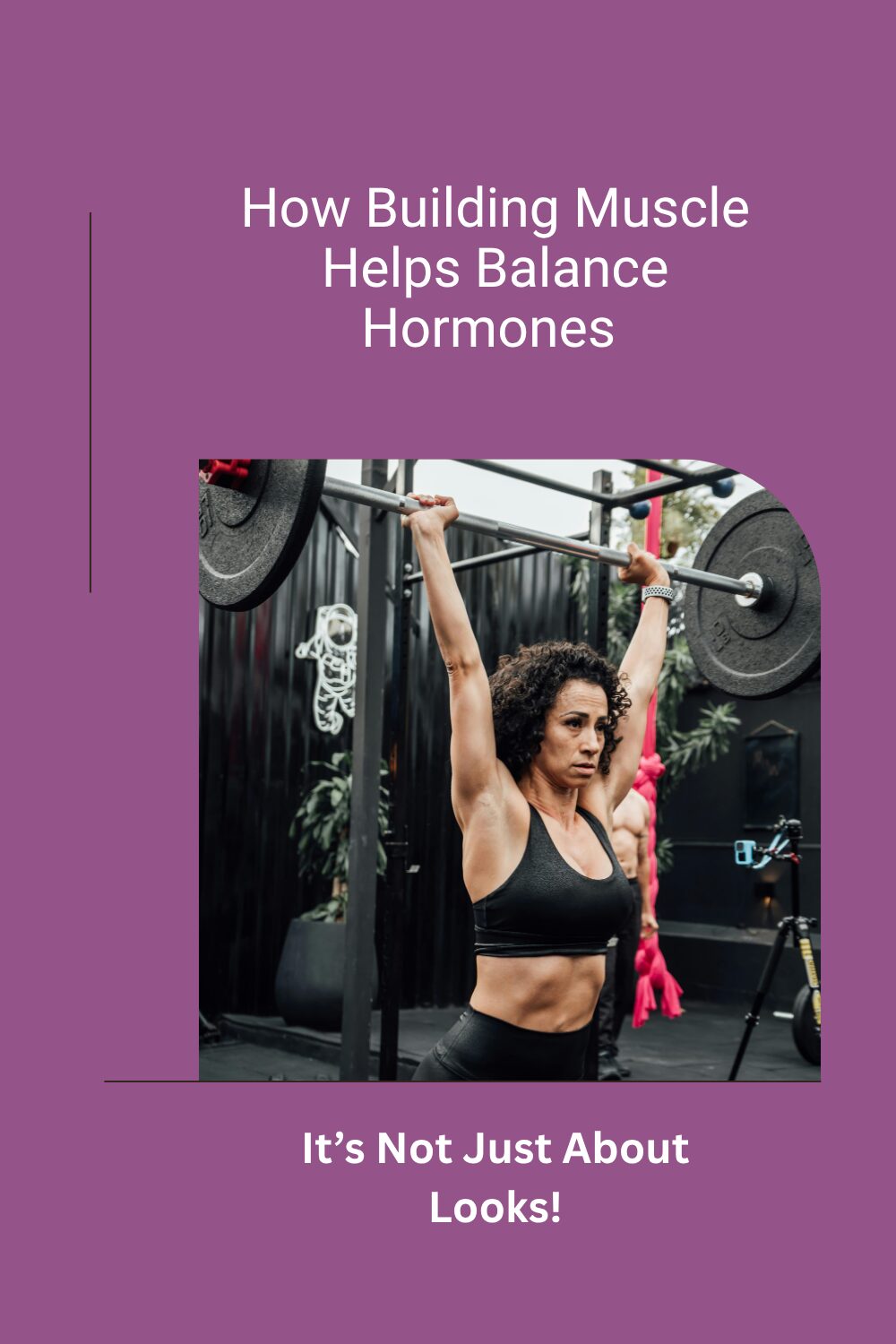
Many women start chasing “toning up” or “losing weight” at this stage—but here’s the truth: building muscle isn’t just about how you look. It’s one of the most powerful, natural ways to support your hormones, boost energy, and help your body feel like yours again.
In this post, we’ll unpack how muscle supports hormone balance, why it matters now more than ever, and how to start safely and confidently—no bootcamps or marathon workouts required.
Muscle Is Your Metabolic Ally
As women move through their 40s, estrogen levels begin to fluctuate—often dramatically. These hormonal shifts can slow metabolism, reduce insulin sensitivity, and make it harder to maintain muscle tone.
That’s where strength training becomes your secret weapon. Muscle is metabolically active tissue, meaning it burns calories even at rest. The more lean muscle you have, the more efficiently your body uses energy.
But it’s not just about metabolism. Resistance training improves how your body handles blood sugar, helping to keep energy levels steady and reduce those mid-afternoon crashes that often show up in perimenopause.
I remember hitting that 3 p.m. wall every single afternoon—no matter how clean I was eating or how much coffee I drank. And some days I had way too much coffee! Once I started adding short strength training sessions into my week, even just 30 minutes sessions, my energy slowly started to even out. It didn’t happen overnight, but I noticed I could get through the day without feeling like I needed a nap or another cup of coffee just to function.
Think of it this way:
- More muscle = more stable energy.
- More stability = fewer hormonal rollercoasters.
Even two to three short sessions per week can make a noticeable difference in how you feel day-to-day.
Strength Training Supports Estrogen and Growth Hormones Naturally
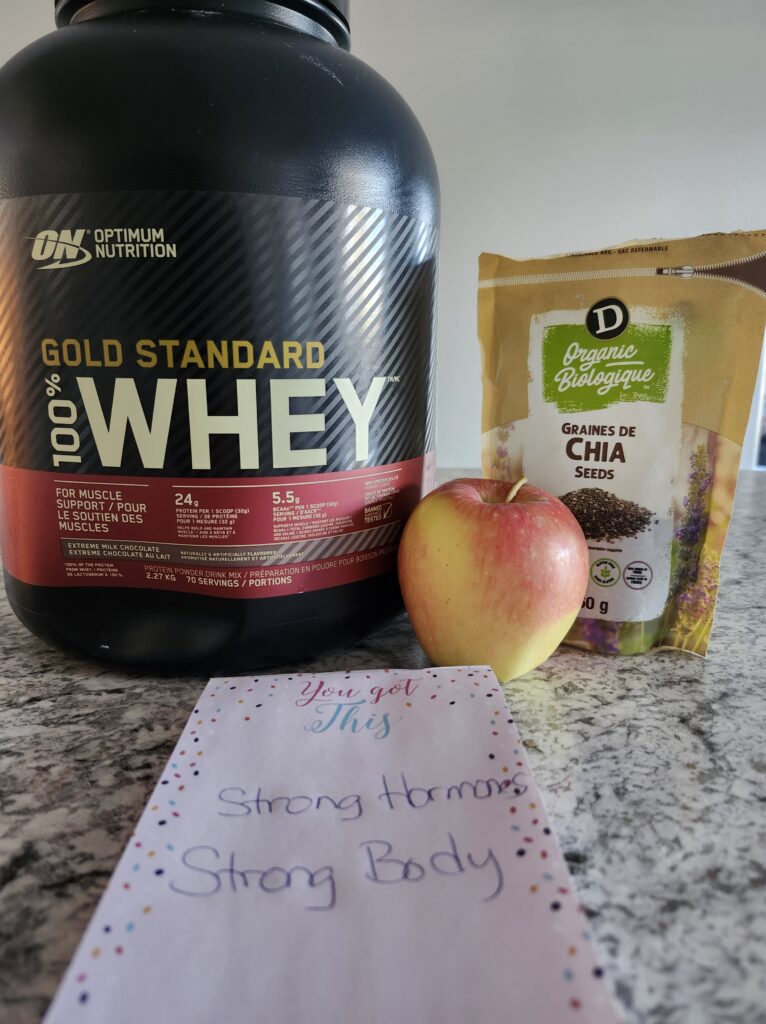
You don’t need fancy supplements or extreme routines to “fix” your hormones. Your body already knows how to find balance—it just needs the right environment. Strength training helps create that environment.
When you lift weights or do resistance workouts, your body naturally increases the production of growth hormone and testosterone (yes, women have it too, just in smaller amounts). These hormones help maintain muscle, energy, and libido—all of which can dip during your 40s.
Meanwhile, consistent strength training helps regulate estrogen dominance, a common issue in perimenopause when estrogen and progesterone fall out of sync. By improving how your body uses and metabolizes estrogen, you’re helping your system stay more balanced overall.
You might notice subtle but meaningful shifts:
- Less bloating and fluid retention
- Improved mood stability
- Better sleep and recovery
- More defined strength and stamina
This isn’t about perfection—it’s about giving your body tools to thrive through this new phase.
Muscle Protects More Than Just Your Metabolism
Let’s talk long-term. After 40, muscle becomes more than a fitness goal—it’s protective armor.
Women start to lose up to 3–5% of muscle mass per decade after 30, which can speed up in perimenopause and menopause. This loss not only affects strength but also impacts bone density, joint health, and mobility.
Lifting weights or doing bodyweight resistance helps your bones stay strong by signaling them to hold onto calcium and build new tissue. It also supports balance and stability—key for preventing injuries and staying active well into your 50s and beyond.
If you’ve ever thought, “I just want to keep up with my kids or feel capable again,” muscle is the answer. It’s not vanity—it’s vitality.
This really hit home for me as I noticed how tired or exhausted I would be coming home from a day of work and I didn’t have the energy I wanted to for my family. Once I began to incorporate lifting sessions in consistenly, even just with dumbbells – because truthfully, you really only need a few sets of dumbbells to make it count – I felt stronger in ways that surprised me. It wasn’t just about the workouts; it showed up in how I moved through everyday life. And an added bonus is the mental clarity these lifting sessions provide to help on those busy after work weekdays!
How to Start Building Muscle—Without Overwhelm
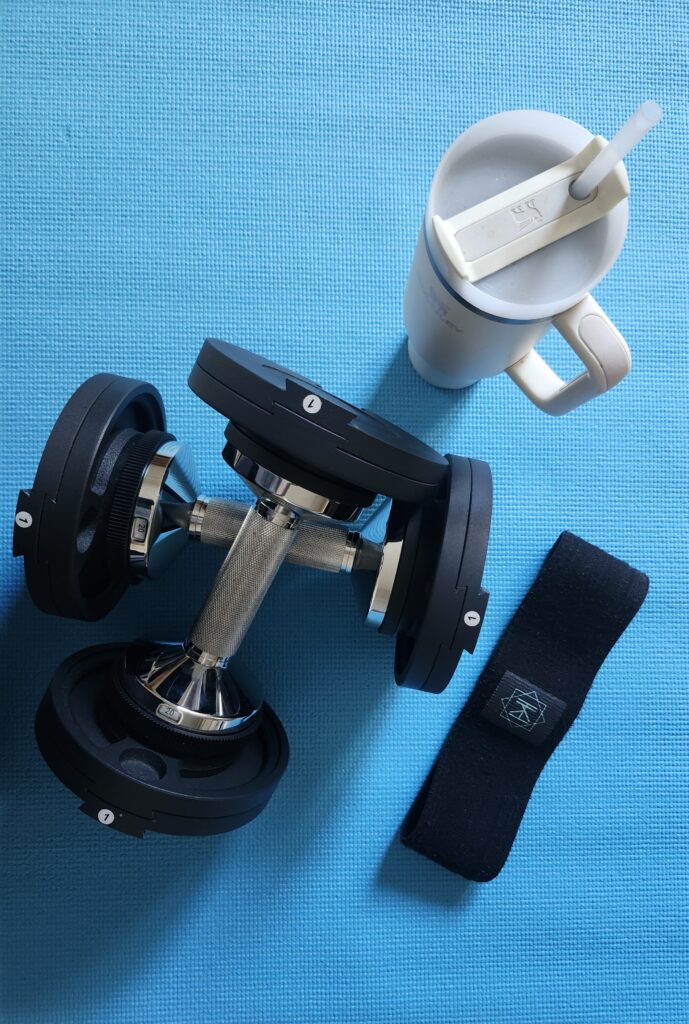
If you’re new to strength training or getting back into it after a long break, keep it simple. You don’t need long gym sessions or intimidating equipment. What matters most is consistency.
Here’s a beginner-friendly formula you can use right away:
The “3 x 20” Method
- 3 days a week: Commit to three 20–30 minute sessions.
- 20 moves total per workout: Choose 5–6 exercises and do 2–3 rounds each.
- 20 seconds of rest: Keep it steady to maintain energy but not burn out.
Example Full-Body Routine:
- Bodyweight squats or goblet squats
- Push-ups (knees or wall version are great)
- Bent-over rows with dumbbells or bands
- Glute bridges
- Standing shoulder presses
- Plank (30–45 seconds)
Finish with a short walk, deep breathing, or stretching—recovery is just as important as the workout itself.
If motivation is the hardest part, try pairing your workouts with something you enjoy—like listening to a podcast or using a fitness tracker that celebrates progress over perfection.
Recovery, Nutrition, and Rest: The Unsung Hormone Helpers
Building muscle is only half the story. The other half happens when you recover. Sleep, protein, and stress management are where your hormones do their repair work.
- Prioritize protein: Aim for a source at every meal (think eggs, Greek yogurt, tofu, or salmon).
- Sleep deeply: 7–8 hours gives your body time to rebuild muscle and regulate cortisol.
- Manage stress: Too much stress raises cortisol, which can interfere with muscle growth and hormone balance.
Even a few small habits—like winding down with herbal tea or keeping a sleep tracker to monitor rest—can make a noticeable difference.
Remember, progress in your 40s looks different than in your 20s. It’s steadier, smarter, and rooted in self-respect, not punishment.
Strength Is the Most Supportive Thing You Can Build
Building muscle in your 40s isn’t about chasing youth—it’s about investing in the next chapter of your health. Strength training helps stabilize your hormones, support your metabolism, and give you the energy and confidence to handle everything life throws your way.
And the best part? You don’t have to do it perfectly. Even two short sessions a week can make your body feel more balanced and powerful.
Start small, stay consistent, and remember: every rep you do is a reminder that your strength—inside and out—is growing.