
*This post may contain affiliate links for which I earn commissions.*
You know those weeks that seem to stretch forever? The ones where every day feels like a sprint — between work deadlines, family schedules, and a to-do list that never ends — until you realize you’ve been running on caffeine and willpower alone?
If you’re in your 40s or early 50s, you’ve probably noticed that those “just power through” weeks take a bigger toll than they used to. You crash harder. Your energy dips lower. And sometimes, even coffee doesn’t touch the fatigue.
Here’s the truth: it’s not about pushing harder — it’s about recovering smarter.
You don’t need a full spa day or a week off (though that would be nice). You just need small, intentional resets that help your body and mind catch up.
Let’s talk about how to truly recharge after a draining week — without another cup of coffee.
Start with Real Rest (Not Just Collapsing on the Couch)
When you finally get a quiet moment after a long week, the instinct is to flop on the couch, scroll your phone, and zone out. And while that feels good for a bit, it doesn’t actually recharge you.
Real rest is more than physical stillness — it’s about giving your nervous system a chance to exhale.
Here’s how to do that:
Step away from screens. Even 15–20 minutes without constant input can calm your brain.
Lie down, but with intention. Try listening to gentle music or a guided meditation instead of multitasking.
Breathe deeply. Slow, steady breathing lowers cortisol, the stress hormone that keeps you in “go mode.”
I used to spend my time after work before the craziness of evening activities took over scrolling social media, thinking I was “relaxing.” But of course this makes one feel more drained. I have found now rather than going to social media to “ relax” I will give myself 15-minutes to decompress with quiet music or honestly just sitting in the quiet. I have noticed my body literally “calming down”.
Refuel — the Smart Way
When your energy’s low, your body craves a quick fix — sugar, coffee, or anything with caffeine. But these spikes only make the crash worse later.
The key is gentle nourishment — stabilizing your blood sugar and giving your body what it actually needs.
Try this simple formula for steady weekend recovery meals:
- Protein + Fiber + Healthy Fat. Think Greek yogurt with berries and chia, or eggs with avocado toast. My favorite clean protein powder for steady energy
- Stay hydrated. Fatigue often hides as dehydration. Aim for one glass of water first thing in the morning and before every meal.
- Cut back on alcohol (just for a few days). Even one or two drinks can disrupt deep sleep and make you feel groggy.
I often was making a coffee at work to help me get through the afternoons, but it didn’t really feel like it helped. I still always felt like I was dragging and struggling to keep myself awake after work and into the evenings. I have come to realize – the hard way, of course- it is better to have a protein snack like yogurt or some deli meat and cheese or even a protein smoothie rather than just caffeine to help with the afternoon dips. I still struggle with this as I LOVE coffee but now If I have a coffee in the afternoon I pair it with a protein source. 🙂
Move to Recharge, Not to Burn Out
After a stressful week, it’s tempting to skip workouts altogether — or swing the other way and push yourself extra hard to “make up for it.” But neither helps your body truly recover.
The sweet spot is restorative movement — activity that boosts circulation, loosens tight muscles, and resets your mind.
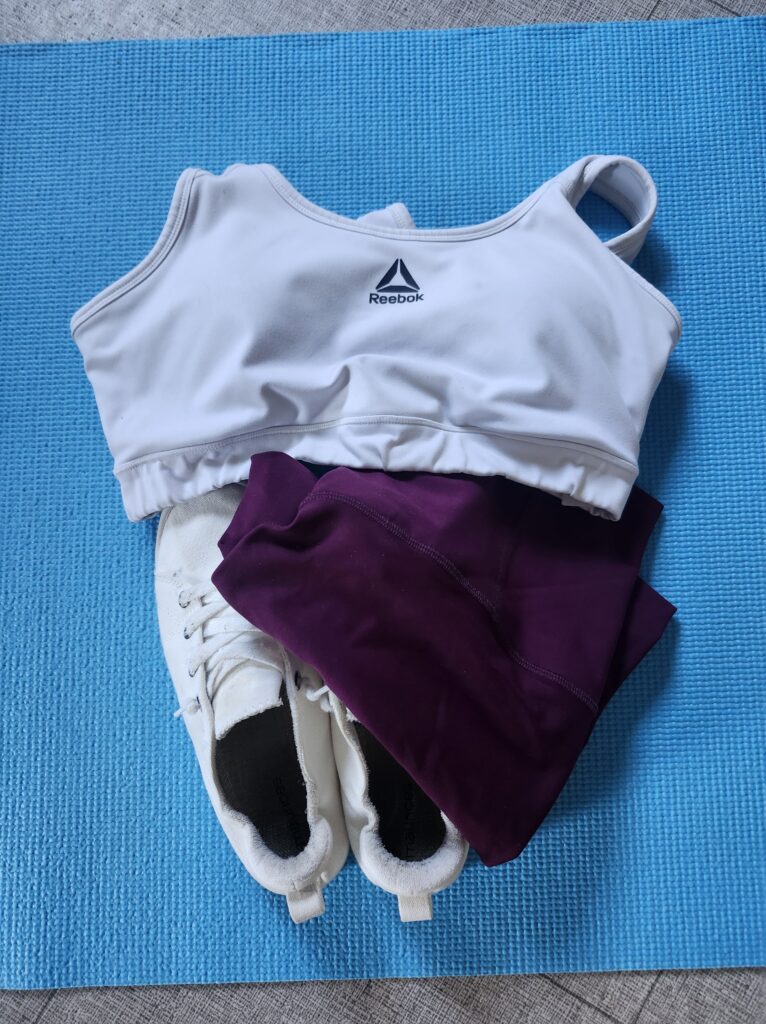
Try this mini weekend “recharge” routine:
- 10-minute walk outdoors. Fresh air + sunlight = natural serotonin boost. This is key for me. Getting outside even for 5 minutes is so helpful and refreshing. It doesn’t have to me 60 minutes. 5-10 minutes is all you need! Remember that!
- Stretch or foam roll for 5–10 minutes. Focus on hips, back, and shoulders — tension zones for most women. Even more important than it was in your 20s.
- Optional: Add a short strength session (just 2–3 movements like squats, pushups, or resistance band rows). Keep it light and energizing, not exhausting.


Reconnect — and Protect Your Energy
Sometimes what drains us most isn’t physical — it’s emotional. Midlife often brings constant demands from every direction: aging parents, teens, work pressures, and limited time for yourself.
One of the most powerful ways to bounce back is to reconnect with what fills you up.
Try this quick weekend reset ritual:
- Say “no” to something. Protect one pocket of time just for you — even 30 minutes.
- Reach out to one person who lifts you up. Connection boosts oxytocin, your “feel-good” hormone.
- Journal for 5 minutes. Ask yourself: “What do I need right now?” Then honor that — no guilt attached.
.
Reset Your Week Before It Starts
Bouncing back doesn’t mean overhauling everything — it’s about entering the next week with clarity and calm.
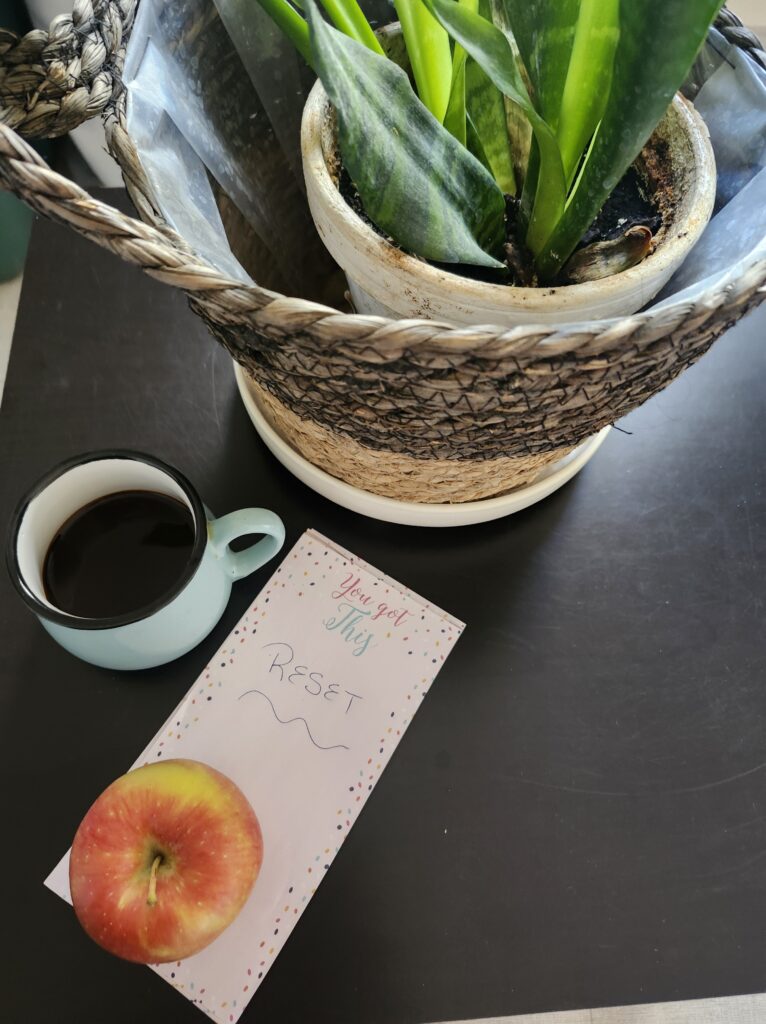
Here’s a quick Sunday Reset Routine you can try:
- Do a brain dump. Write out everything swirling in your head.
- Choose your top 3 priorities for the week — the things that matter most.
- Plan your non-negotiables. This could be your workouts, early bedtimes, or family meals.
- Prep one thing that’ll make Monday easier (like overnight oats or a tidy workspace).
It doesn’t have to be perfect — it just gives you a sense of direction, instead of reacting to the chaos.
You Don’t Need to Do More — You Need to Restore
If your body feels tired, heavy, or foggy, it’s not a sign of weakness — it’s a signal. Midlife demands a new kind of energy management — one that honors your limits instead of ignoring them.
So instead of reaching for another cup of coffee or pushing through, try slowing down, nourishing your body, and reconnecting with what actually restores you.
You’ll be amazed at how much lighter and more grounded you feel — even after the most exhausting week. A simple hydration booster like LMNT Electrolytes can also help fight afternoon crashes naturally.You’re body will thank you!