
*This post may contain affiliate links for which I earn commissions.*
If you’ve ever tried tracking your macros and felt completely overwhelmed by numbers, apps, and rules — you’re not alone. Most women I know over 40 want to eat well and support their bodies, but the idea of calculating every gram of protein, carbs, and fat feels exhausting (especially when we’re already juggling work, family, and our own shifting hormones).
Here’s the good news: you don’t need to count every bite to get the benefits of balanced macros. You can fuel your energy, support your metabolism, and even calm some of those frustrating perimenopause symptoms with a few simple, mindful tweaks.
In this post, we’ll break down what macros actually are, why they matter even more in midlife, and how you can use them — the easy way — to feel stronger, more energized, and confident in your body again.
Why Macros Matter More After 40
As our hormones shift in perimenopause and menopause, our bodies start responding differently to food. Estrogen plays a big role in how we store fat and use carbohydrates for fuel. When levels fluctuate, it can lead to energy dips, mood swings, and even more stubborn belly fat.
That’s where macros come in. “Macros” (short for macronutrients) are the three main nutrients your body needs in larger amounts — protein, carbohydrates, and fat. When they’re balanced properly, they help regulate hormones, maintain muscle, and keep energy levels steady throughout the day.
Protein is key in your 40s, and if you need an easy way to increase it, I love using a clean protein powder
I’ll be honest — I used to think tracking macros was only for bodybuilders or fitness influencers. But once I hit my 40s and noticed my energy wasn’t what it used to be (even though I was still exercising), I realized it wasn’t about perfection — it was about fueling smarter. That mindset shift made all the difference.
The Simple Macro Balance That Supports Hormone Health
You don’t need fancy formulas or an app to get started. Here’s a super simple framework that works beautifully for most women in midlife:
- Protein: Focus on including a lean or clean source with every meal. Think eggs, Greek yogurt, chicken, fish, or plant-based proteins like lentils or tofu.
- Carbohydrates: Choose complex carbs that give you lasting energy — oats, quinoa, sweet potatoes, fruits, and veggies.
- Healthy Fats: These help balance hormones and keep you satisfied. Include avocado, olive oil, nuts, seeds, or fatty fish.

Large Glass Meal Prep Containers

A great visual tip: build your plate using the “Balanced Plate Method” — half your plate veggies, a quarter protein, and a quarter carbs, plus a thumb-sized portion of healthy fat.
When I started building my meals this way instead of tracking numbers, I noticed my mid-afternoon crashes almost disappeared. My meals were more satisfying, and I didn’t have to rely on snacks or caffeine to stay awake through the afternoon.
How to Adjust Macros for Midlife Goals
Your ideal macro balance might shift depending on what your body needs right now:
If you’re low on energy:
Focus on stabilizing your blood sugar. Include protein and healthy fats with every meal to avoid energy crashes. This truly is a game changer once you start to pay attention. We seem to forget about healthy fats and they are so important as our bodies start to change in our 40s.
If you’re losing muscle or feel “softer”:
Add more protein. Aim for roughly 25–30 grams per meal — it supports lean muscle and metabolism, which naturally decline with age.
If you’re struggling with cravings or brain fog:
Try swapping refined carbs (like white bread or pastries) for slow-digesting carbs — think quinoa, berries, or beans. You’ll stay fuller longer and avoid sugar rollercoasters.
When I first started eating more protein and fewer refined carbs, I was shocked by how quickly my cravings dropped. I wasn’t fighting my body anymore — I was finally fueling it.
How to Use Macros Without Tracking Every Bite
If counting grams sounds like too much (same here!), there’s an easier way.
Try the “Macro Mindset Method” — a simple, flexible approach that focuses on awareness, not math:
- Prioritize protein first. Every meal and snack should include some form of protein.
- Build around color. Add fruits or veggies to every plate — they bring fiber, vitamins, and satisfaction.
- Add healthy fats intentionally. Use avocado, nuts, or olive oil to enhance flavor and satiety.
- Watch portion cues, not numbers. Eat slowly, stop at “comfortably full,” and notice how your meals make you feel.
This method helps you naturally balance macros without an app or spreadsheet. Plus, it makes eating feel flexible — not rigid.
One personal trick that’s helped me? I use a “protein anchor” rule for every meal. I ask myself, “What’s my protein source?” before I think about anything else. Whether it’s eggs for breakfast or grilled salmon for dinner, I always make sure I have a protein source. I even do this for snacks as I know how important the role of protein plays.
Sample Day: Macros Made Simple
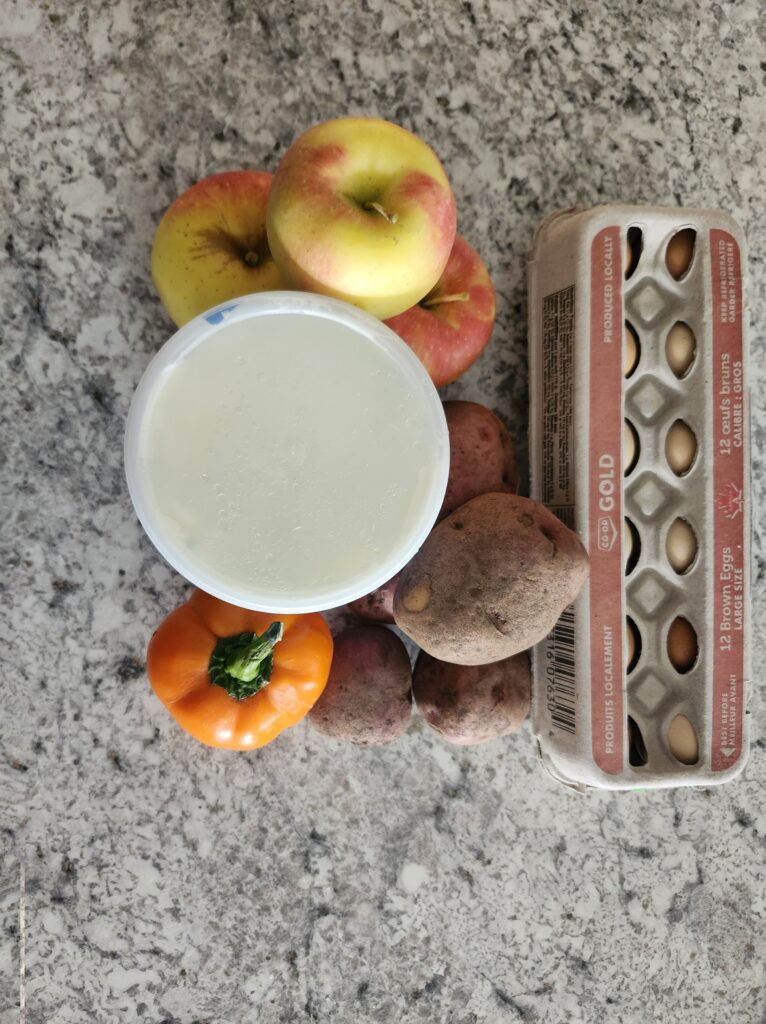
Here’s what a balanced, realistic day might look like — no tracking required.
Breakfast:
Greek yogurt with berries, chia seeds, and a sprinkle of granola
Lunch:
Grilled chicken, roasted sweet potatoes, and a big salad with olive oil dressing
Snack:
Handful of almonds and an apple
Dinner:
Chicken breast or lean ground turkey, brown rice, and steamed broccoli or another vegetable of choice.
If I know I have a long day ahead or a workout planned, I’ll add an extra serving of carbs or a smoothie in the afternoon. It’s all about being flexible and not perfection.
Small Tweaks That Add Up
Here are a few easy habits that make macro balance second nature:
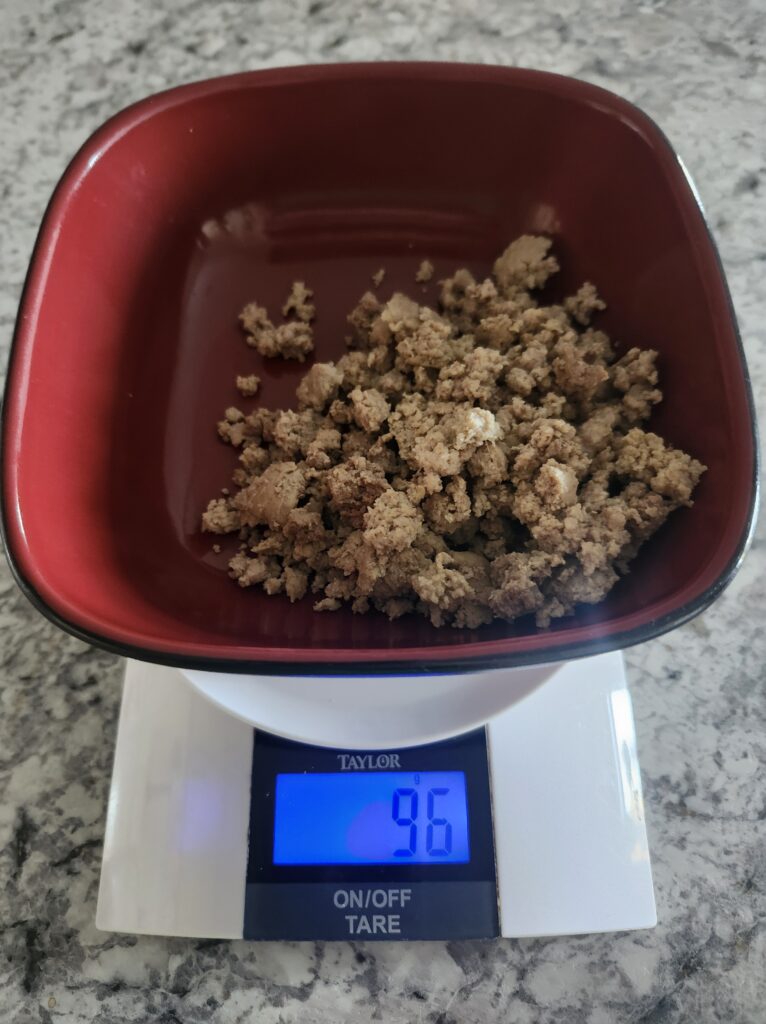
- Prep a few protein options. I tend to batch cook on the weekends. I usually prepare two protein sources like chicken breast and ground beef or turkey.
- Keep high-protein snacks in your bag or car for busy days. I always have yogurt and protein powder as a quick go tos.
- Use your hands for portion guidance — palm-sized protein, fist-sized carbs, thumb-sized fats.
- Don’t skip meals — steady fuel keeps hormones and energy more balanced.
You Don’t Need Perfect, You Need Consistent
Eating for hormone balance and strength in your 40s isn’t about rules — it’s about awareness, compassion, and small consistent habits that truly fit your life.
When I stopped chasing perfect macros and started focusing on how my meals made me feel, everything got easier. I had more energy for my workouts, my mood improved, and I finally felt like I was working with my body, not against it.
So start small — pick one meal to balance better this week. Then build from there. You don’t need to count every gram to fuel your strength, confidence, and hormone health.
🔥 PS: If you struggle with energy in the morning…
I’ve been using Java Burn in my morning coffee, and it’s been a simple way to support energy, metabolism, and focus.