
*This post may contain affiliate links for which I earn commissions.*
If you’ve ever stood in front of the fridge at 6 p.m. wondering what to make for dinner — again — you’re not alone.
Meal planning sounds like something only super-organized people do, but for women in our 40s and 50s, it’s often the missing link between feeling energized and nourished versus drained and stressed.
Between work, family, hormones doing their midlife thing, and energy that seems to fluctuate daily, planning healthy meals can feel impossible. But here’s the truth — it doesn’t have to be perfect to make a difference.
The goal isn’t to spend your Saturday or Sunday batch cooking for hours or counting macros to the last gram. It’s to make eating well simpler, realistic, and supportive of your life right now.
Let’s break down a few simple strategies that have helped me (and many other busy women) take the stress out of meal planning — and bring back a sense of calm around food.
When Meal Planning Feels Like a Second Job
There was a time when I tried to “do it all.”
I’d scroll onlinet, find elaborate recipes, and tell myself this week will be different. I’d shop for 20 different ingredients, only to end up with wilted greens and unused sauces by Wednesday.
Sound familiar?
What I learned is that the more complicated your plan, the faster it falls apart. Especially when you’re juggling work, hormones, and everything else midlife throws your way.
Now, I take a much more realistic approach. I focus on core meals that repeat, easy proteins, and grocery lists that don’t take brainpower. That shift alone reduced my stress around food — and it made it easier to stay consistent.
Step 1: Choose Your “Go-To 5”
Meal planning doesn’t have to mean reinventing the wheel. Start by picking your Go-To 5 — five simple meals you could make any week with minimal prep or thought.
These might include:
- A sheet pan meal (chicken, veggies, olive oil, done)
- A big salad with protein
- Breakfast-for-dinner night (eggs, fruit, toast)
- A stir-fry or skillet meal
- A slow cooker soup or chili
My Favorite Meal Prep Containers:

Pack 35 Oz Glass Meal Prep Containers

The idea is to create a foundation you can lean on when life gets busy. You can always rotate or swap ingredients to keep things interesting.
Step 2: Make Your Grocery List Once
This step changed everything for me.
Instead of writing out a new grocery list every week, I created a “master list” of all my staples: proteins, produce, grains, snacks, and pantry basics. Now, I just highlight what I need before I go shopping. I use a magnetic fridge meal-planning pad — it makes grocery planning so much easier.
It saves time and keeps me from impulse-buying “fun” ingredients that never actually get used.
Here’s what’s usually on my list:
- Protein: chicken, salmon, eggs, Greek yogurt
- Veggies: spinach, peppers, broccoli, frozen mixed veggies
- Carbs: rice, oats, quinoa, sweet potatoes
- Healthy fats: olive oil, nuts, avocado
- Quick grabs: hummus, fruit, protein bars
It’s simple — and that’s the point.
Step 3: Prep Just Enough (Not Everything)
For years, I thought “meal prep” meant cooking everything in advance — until I realized it just made me resent my weekends. I would make lavish recipes and it became very overwhelming and not enjoyable. It became a chore.
Now, I prep just enough to make weekday cooking faster:
- Wash and chop veggies
- Cook 1-2 proteins (like chicken or turkey)
- Make a grain (like rice or quinoa)
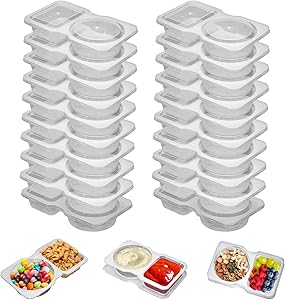
- Pre-portion snacks (nuts, fruit, yogurt cups)
See my Favorite snack containers:
The goal is to remove friction. When healthy food is easy to grab, you’re more likely to eat it — especially when energy dips or cravings hit mid-afternoon.
I used to dread meal prep, but this smaller version made it doable. I can prep everything in under an hour while listening to a podcast or chatting with family.
Step 4: Plan Around Energy, Not Perfection
This was a big shift for me in my 40s.
I used to think I had to “stick to the plan” no matter what. But some days, my energy just wasn’t there — especially around perimenopause. I’d end up skipping meals or eating whatever was easy, then feeling guilty later.
Now, I plan around how I actually feel, not how I wish I felt.
If I know Wednesdays are crazy, that’s a “slow cooker night.” Fridays? Leftovers or takeout without guilt. I’ve stopped labeling meals as “good” or “bad” — they’re just fuel for whatever season I’m in.
One of the best things I ever did was start keeping a few “emergency meals” on hand — things like frozen meatballs, precooked quinoa, or healthy soups. It takes the pressure off when life gets unpredictable.
Step 5: Create a Sunday Reset for Food
If you’ve read my post on the Sunday Reset, you know I love starting the week feeling calm instead of scattered.
Food fits perfectly into that rhythm. On Sundays, I’ll spend about 30 minutes doing a “mini reset”:
- Skim the fridge and toss expired items
- Wash produce and put it front and center. I use these produce-freshness storage containers so my veggies stay crisp all week.
- Cook one or two staples (protein + carb)
- Write down dinners for the week on my fridge pad
That’s it. I don’t batch cook or plan every snack. I just make sure the foundation is set — because a good week doesn’t happen by accident.
A Quick Reality Check
If your week goes off the rails (because it will), that doesn’t mean you failed.
Meal planning is a support system, not a rulebook. You can forget a night, order takeout, and still be doing great. The goal isn’t control — it’s consistency.
There are weeks I nail my plan and others where we eat scrambled eggs twice in one day. The difference now is that I don’t spiral. I adjust, reset, and move on.
That mindset shift alone has made eating well feel lighter — and a lot more sustainable.
Keep It Simple, Keep It Real
Meal planning isn’t about perfection — it’s about creating ease.
When you simplify your meals, prep just enough, and give yourself grace, you’ll find that healthy eating becomes less of a chore and more of a rhythm.
You don’t have to overhaul your life. Just start with one thing — maybe creating your master grocery list or picking your Go-To 5 meals. Small steps truly do add up, especially in midlife.
Here’s the truth: your health doesn’t depend on doing everything perfectly. It depends on showing up for yourself, even when life’s busy.
So this week, simplify. Let meal planning support your energy, not steal it.
You’ve got this.