
*This post may contain affiliate links for which I earn commissions.*
If you’re anything like me, the word “rest” probably used to feel like a luxury. I used to believe slowing down meant I was falling behind — that if I wasn’t constantly productive, I was somehow wasting time. But as I moved through my 40s, that mindset stopped working. Between work, family, hormones doing their own thing, and just… life, running on empty became my default setting.
What I eventually learned — and what I want you to hear — is that rest isn’t lazy, it’s necessary. Especially in midlife. Our bodies are recalibrating, our energy shifts daily, and what once felt doable in our 30s can suddenly feel draining now. Learning to rest well — and without guilt — is one of the most powerful forms of self-care we can give ourselves.
In this post, I’ll walk you through how to truly recharge when life doesn’t slow down — even if your schedule, responsibilities, or hormones say otherwise. These aren’t spa-day fantasies or “just say no” platitudes. They’re real-life, doable habits that help you refuel your energy without feeling like you’ve dropped every ball.
Redefine What “Rest” Actually Means
One of the biggest mindset shifts I had to make was realizing that rest isn’t only about sleep or lying still. It’s about creating recovery moments — physical, emotional, and mental.
Rest can look like:
- Turning off your phone for 30 minutes while you make dinner in silence
- Taking a walk alone without music or a podcast
- Saying no to one weekend obligation so you can stay in your PJs until noon. This one is especially hard as I am a people pleaser. This one I am slowly learning to do more and more.
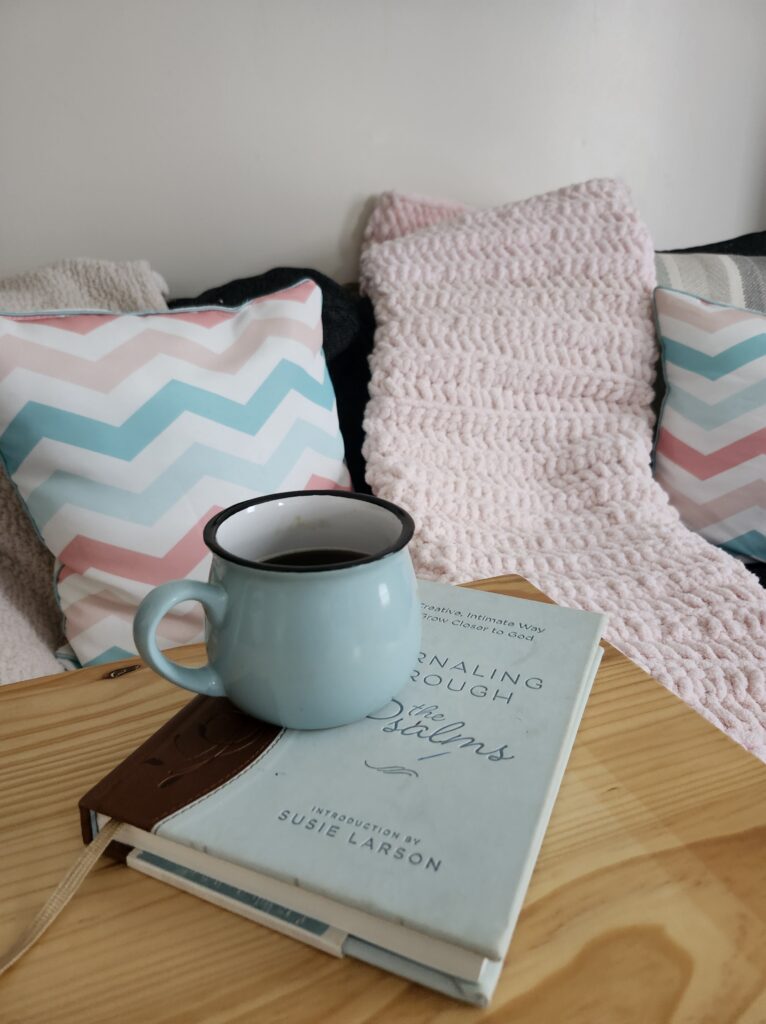
- Sitting with a warm drink and doing nothing productive — on purpose. Again, can be hard but once you start doing it, you realize how “restful” it is and how your body loves it.
A few years ago, I remember feeling completely burned out after trying to “do it all.” I’d pack my weekends with errands, workouts, and friend commitments, thinking I was being efficient. But Monday always hit like a wall. One Sunday, I skipped my usual high-intensity workout and went for a slow walk instead — no pressure, no plan. It was a small change, but I started the week calmer and clearer. That was my first real lesson in what rest could be.
Try This:
Take 5 minutes and list three activities that feel genuinely restful for you — not what you “should” do. These might be reading, stretching, journaling, or just sitting quietly. Start by giving yourself one of those moments each day, even for 10 minutes.
Let Go of the “Earn Your Rest” Mentality
Many of us were raised to believe that rest is something we have to earn — like a reward for checking enough boxes. But that belief sets us up for burnout, especially in our 40s and 50s when recovery takes longer.
You don’t have to reach exhaustion to deserve a break. Your worth isn’t measured by how much you do. Again, this was such a mental thing for me and something I still have to really work at doing.
When I finally stopped viewing rest as indulgent, my productivity actually improved. I was sharper, more creative, and less reactive. It felt strange at first — guilt still whispered that I “should” be doing more — but over time, that voice got quieter.
If you struggle with guilt, try reframing rest as fuel. Just like your car can’t run without gas, your body can’t sustain energy, focus, or mood without downtime.
Try This: The Permission Reminder
Write this down on a sticky note and place it on your mirror or desk:
“Rest is not a reward — it’s a requirement.”
Say it out loud when guilt creeps in. Over time, your brain starts to believe it.
Micro-Rest: How to Recharge in 10 Minutes or Less
Most of us can’t clear an entire day just to rest — and that’s okay. The secret is micro-rest: tiny, intentional breaks that reset your nervous system and refill your energy bank throughout the day.
Here are a few that have made a big difference for me:
- The two-minute breath reset: Close your eyes, place one hand on your belly, and take slow breaths — in for 4, out for 6. It helps calm stress hormones and reset your mind.
- The “no multitasking” meal: Eat lunch without your phone or TV. Taste your food. Feel your body relax when you slow down. This one is so good and I challenge you to try it.
- Stretch and sip: Every hour, stand up, stretch your arms overhead, and take a sip of water. (A simple hydration reminder bottle can help here — one of my favorite little tools for staying on track.)
- Mini joy breaks: Watch a funny video, step outside for fresh air, or text a friend who makes you laugh.
You’d be amazed how much 5–10 minutes of intentional pause can do. Think of these like mini reboots for your brain.

Protect Your Recharge Time Like an Appointment
Rest doesn’t happen by accident — you have to protect it. Treat it like an appointment you’d never cancel.
I started scheduling a “quiet hour” every Sunday evening. It’s just me, tea, my cozy blanket, and no agenda. I’ll sometimes reflect on the week, or just sit in silence. That single hour has become non-negotiable — it helps me transition into the week ahead feeling grounded, not frazzled.
If Sunday nights don’t work, find your own rhythm: maybe early mornings before everyone wakes up, or 20 minutes after dinner when you step outside for fresh air.
Tip: Set a gentle reminder on your phone that says, “It’s time to recharge.” You can even block it off on your calendar — color it the same way you’d mark an important meeting. Because it is important. I know just how hard this can be with a family around and commitments. I would highly encourage you to schedule this and make it happen. Your body and mind will thank you.
Create an Environment That Encourages Rest
Sometimes, the biggest barrier to rest isn’t time — it’s our surroundings. If your home feels cluttered or noisy, your brain doesn’t know how to “switch off.”
Try a few small tweaks:
- Keep your bedroom cool and dark — maybe invest in a weighted blanket or a sleep mask if you struggle with restlessness.
- Diffuse calming essential oils like lavender or chamomile at night.
- Keep a simple bedside gratitude journal to dump thoughts before bed — it’s amazing how writing out your worries can help your brain settle.
- Have a “digital sunset” — no screens an hour before bed. Instead, stretch, sip herbal tea, or read something light.
A Realistic Reset Routine
Here’s a simple 3-step daily practice to recharge without guilt:
- Pause — Take one micro-rest (2–5 minutes) midday. Breathe, walk, or just be.
- Protect — Schedule one 20–30 minute recharge window in your week.
- Prioritize — End your day with one act of intentional rest — a cup of tea, journaling, or stretching.
💛 My Favorite Rest Ritual Helpers :
You’ll start to notice subtle shifts: better focus, more patience, and that feeling of being “yourself” again.
You Deserve Rest — Not as a Luxury, but as a Lifeline

If you take nothing else from this, let it be this: you do not have to earn rest.
You deserve it because you’re human — and because your body is doing hard work every day, especially in midlife. Life is so demanding and if you are not conscious of it you will burn out.
Start small. One pause, one breath, one guilt-free break at a time. The more you practice, the more natural it feels — and the more energy you’ll have to show up for the people and things that matter most.
You’ve got this. 🌿