
*This post may contain affiliate links for which I earn commissions.*
If you’ve ever said, “I’m tired but not sleepy,” or “Even after 8 hours of sleep, I still feel drained,” you’re not imagining it. Fatigue in your 40s hits differently.
Between work, family, and hormonal shifts, rest can start to feel like a luxury — something you’ll get to when things calm down. But here’s the truth: for women in midlife, rest isn’t optional. It’s essential.
And I don’t just mean sleep. There are actually three kinds of rest that every woman over 40 needs — and when even one of them is missing, your energy, mood, and focus start to suffer.
In this post, we’ll unpack what those three types of rest are, why they matter, and how to weave them into your busy life (without dropping all your responsibilities or running away to a spa — though that sounds nice).
Physical Rest — More Than Just Sleep
When most of us think of “rest,” we think of sleeping — and yes, good-quality sleep is vital, especially as hormones like estrogen and progesterone fluctuate. But physical rest is more than just clocking 7–8 hours a night. It’s also about how you care for your body during the day.
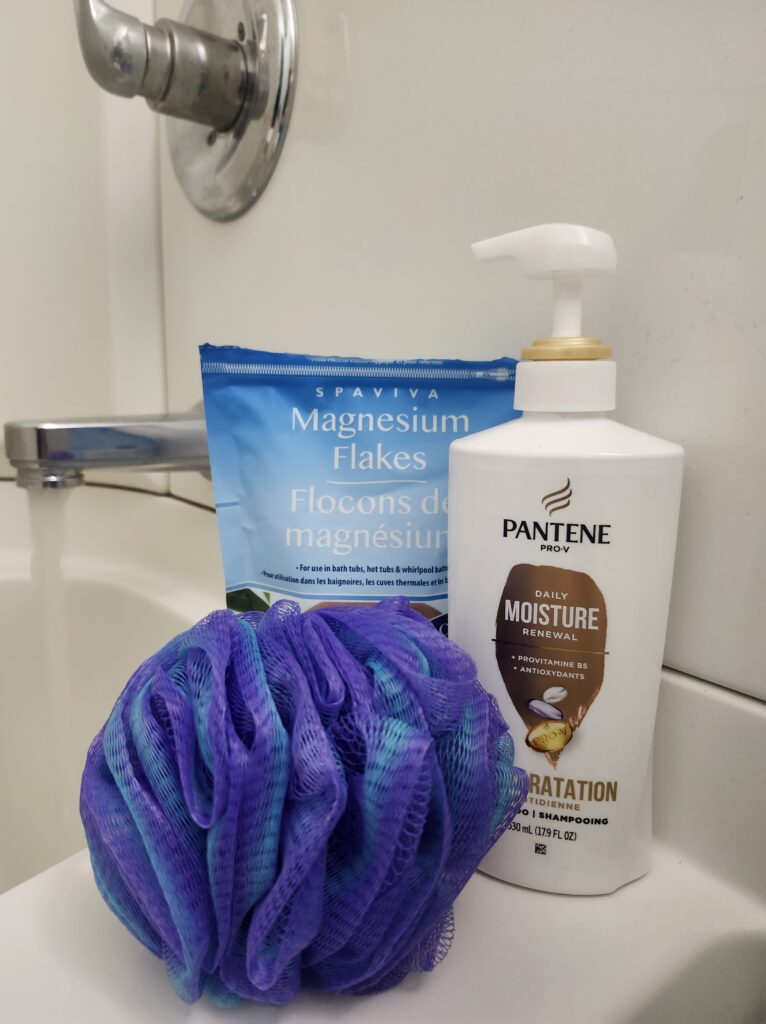
That might mean gentle stretching, taking breaks from your desk, taking a bath or simply giving yourself permission to slow down.
If you’ve been feeling sore, stiff, or like your body’s constantly “on,” you probably need more physical recovery time — not just a longer nap.
Here’s how to build more physical rest into your days:
- Micro-movements: Every hour, stand up and stretch. Roll your shoulders. Walk around the room. It keeps blood flowing and relieves tension.
- Active recovery days: If you strength train or walk regularly, build in lighter days. A gentle yoga flow or mobility work helps your body recover better than total stillness. A simple foam roller like this one can help release tight muscles and support better recovery
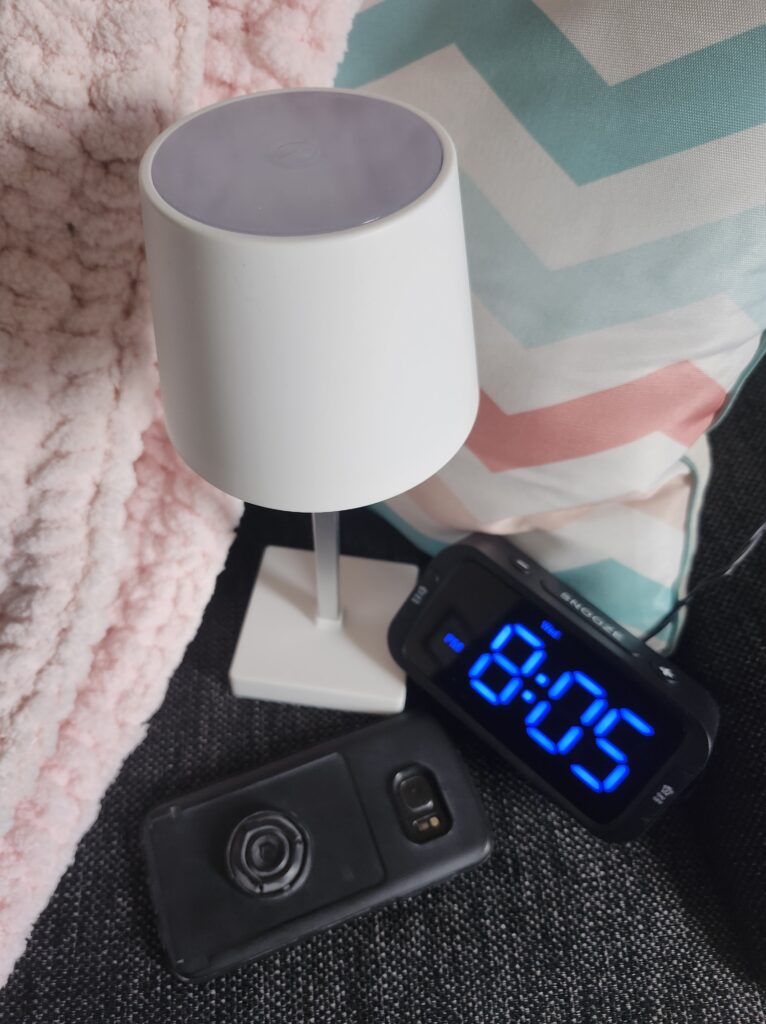
- Sleep rituals: Go to bed and wake up around the same time. Keep your room cool, dark, and tech-free for deeper rest.
I have come to realize how important this really is. I would often – and still do at times – wake up feeling exhausted, even after a full night’s sleep. It wasn’t until I started paying attention to how rested I was during the day that things changed. I love heavy strength training and I was doing this most days, its when I started to schedule in a lighter strength day or just stretching or mobility work, which also becomes really important in your 40s that I started to notice a difference. Within a few weeks I did notice a shift in my “rest” and I didn’t feel like I was dragging through my afternoons. This is still very much a work in progress for me but I have become so much more aware of it and how helpful it is.
Mental Rest — Because Your Brain Needs Breaks Too
If your mind feels like a browser with 47 tabs open, you’re not alone. Between managing work deadlines, remembering appointments, and worrying about everyone else, mental fatigue is one of the biggest drains for women over 40.
The problem? We rarely let our minds stop processing. Even when we “relax,” we’re often still scrolling, thinking, or planning.
Mental rest means intentionally creating space for your brain to slow down and recharge.
Here are a few simple ways to do that:
- Schedule “blank time.” Just 10 minutes a day where you do nothing. No phone, no TV, no to-do list.
- Get outside. Even a 5-minute walk in nature helps reset your nervous system and clears mental clutter.
- Use a journal. Brain dump everything on your mind before bed — it’s like decluttering your thoughts.
- Reduce background noise. Turn off notifications or work without constant background chatter for a while.
I used to think mental rest meant watching Netflix or scrolling on my phone, but honestly, that just kept my mind buzzing. What finally helped was sitting outside ( in the summer) — no phone, no noise, just stillness. The first few times I tried it, I felt restless, and it was hard not reaching for my phone but over time, I realized how much calmer and peaceful I felt. Now it’s something I am impenting into my days as it really is helpful in unwinding and resting.
A guided mental wellness journal or reflection journal:

Emotional Rest — The One We Often Overlook
This one’s easy to skip but often the most powerful. Emotional rest means allowing yourself to feel what you feel without judgment, and creating space from things (and sometimes people) that drain your energy.
In your 40s, your emotional bandwidth can feel stretched thin — between hormonal changes, aging parents, growing kids, and shifting relationships. You might find yourself constantly “holding it together” for everyone else.
But that takes a toll. Emotional rest helps you refill that tank.
Here’s how you can practice it:
- Say no without guilt. Rest isn’t selfish — it’s self-preserving.
- Have a real conversation. Talk honestly with a trusted friend instead of bottling things up.
- Journal or pray. Sometimes, writing it out or reflecting helps you release what’s been weighing on you.
- Disconnect from negativity. Limit social media, gossip, or relationships that leave you feeling drained.
How to Fit These 3 Types of Rest Into a Busy Life
Here’s the good news: you don’t need to overhaul your routine to feel more rested. You can layer these practices into the life you already have.
Try this simple 3-step framework:
- Pick one type of rest to focus on this week. Maybe it’s better sleep, or more mental quiet time.
- Start with 5 minutes a day. Short, consistent habits beat big changes you can’t sustain.
- Notice how you feel. Energy, focus, and patience often improve faster than you expect.
You can even pair habits together. For example, take a short walk (physical rest), without your phone (mental rest), and think about one thing you’re grateful for (emotional rest). That’s three forms of restoration in one 10-minute break.
The Takeaway
Rest isn’t lazy. It’s one of the most powerful forms of self-care you can give yourself in your 40s and beyond.
When you learn to rest — physically, mentally, and emotionally — your body heals faster, your mind feels clearer, and your confidence returns. You start showing up as the woman you want to be — calm, strong, and grounded, not running on fumes.
So tonight, take five minutes to breathe, stretch, or sit quietly. It might feel small, but it’s not. It’s you choosing yourself — and that’s where real energy begins to come back.
You don’t need to do it all. You just need to start resting better.

