
*This post may contain affiliate links for which I earn commissions.*
If you’ve ever stared at the weight section in your gym, wondering if strength training was really for you — I get it.
Maybe you’ve thought, “I don’t want to bulk up,” or “I’ll probably hurt myself.” Or maybe you’ve tried before, got sore for days, and thought, “Nope, not doing that again.”
But here’s the thing: once you hit your 40s, strength training becomes one of the most powerful things you can do for your health. It supports your metabolism, bone density, posture, mood, and confidence — all while helping your body move better through every season of life.
The key is learning how to start in a way that feels safe, sustainable, and even enjoyable.
This post will walk you through what strength training after 40 really looks like, how to avoid burnout or injury, and how to feel strong — not sore — as you get started.
Why Strength Training Matters More Than Ever in Your 40s
Let’s be real — our bodies change in midlife. Between fluctuating hormones, busier schedules, and more stress, it’s easy to feel like your energy just isn’t what it used to be.
After 40, muscle naturally declines (up to 8% per decade if we’re not doing something to maintain it). This muscle loss can slow your metabolism, make daily activities feel harder, and affect balance and bone strength — especially as estrogen levels shift during perimenopause.
But here’s the empowering news:
With consistent, smart strength training, you can rebuild muscle, boost energy, and actually feel younger in your body.
I have been lifting weights for years so when I hit my 40s I continued to do what I had been doing. Lifting heavy – everyday! I have come to realize, in my 40s, lifting heavy every single day only causes exhaustion and you really are doing your body a disservice. Yes, please lift those weights but be smart about it. Once I realized I didn’t need to train like a 25-year-old athlete, but focused more on consistency and progress over time my body started to respond much better . Form, rest and recovery are so, so important. And it does make lifting enjoyable and sustainable.
How to Start: Building a Strong (and Safe) Foundation
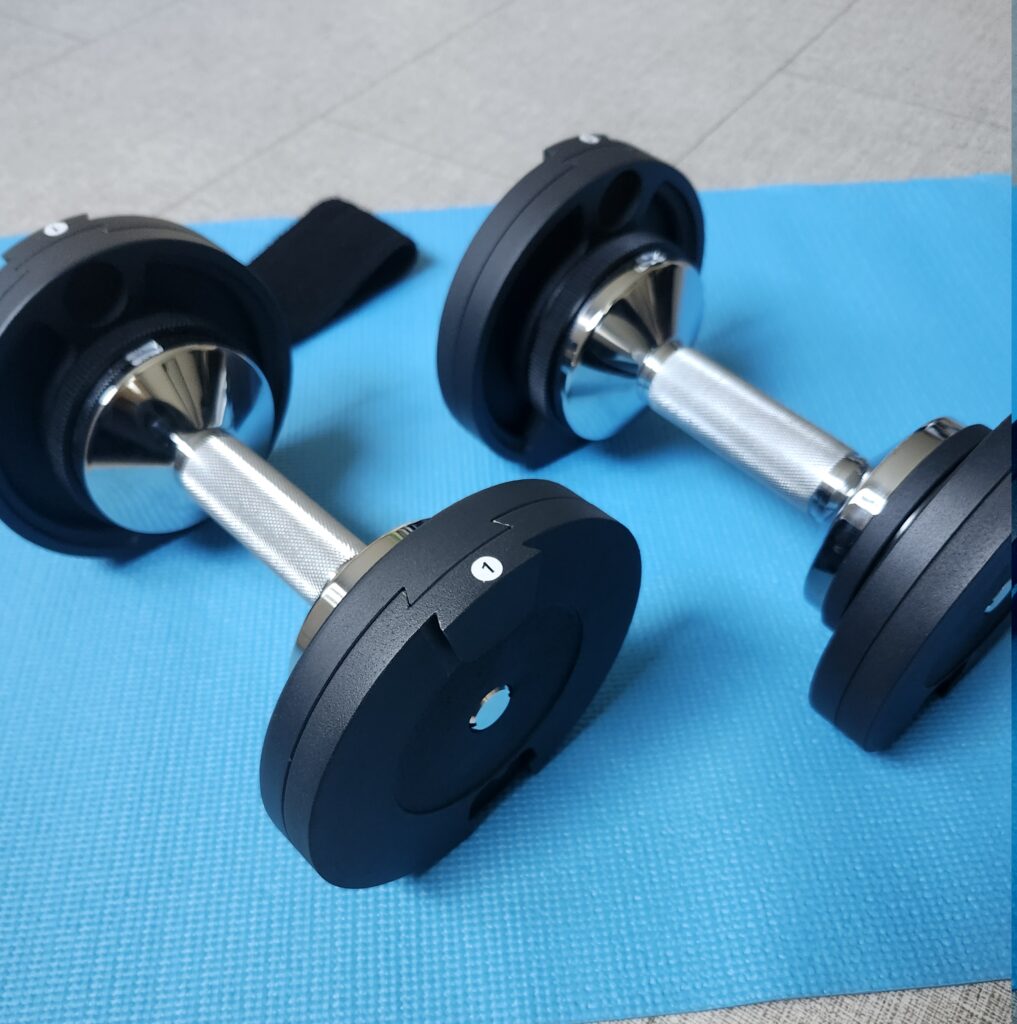
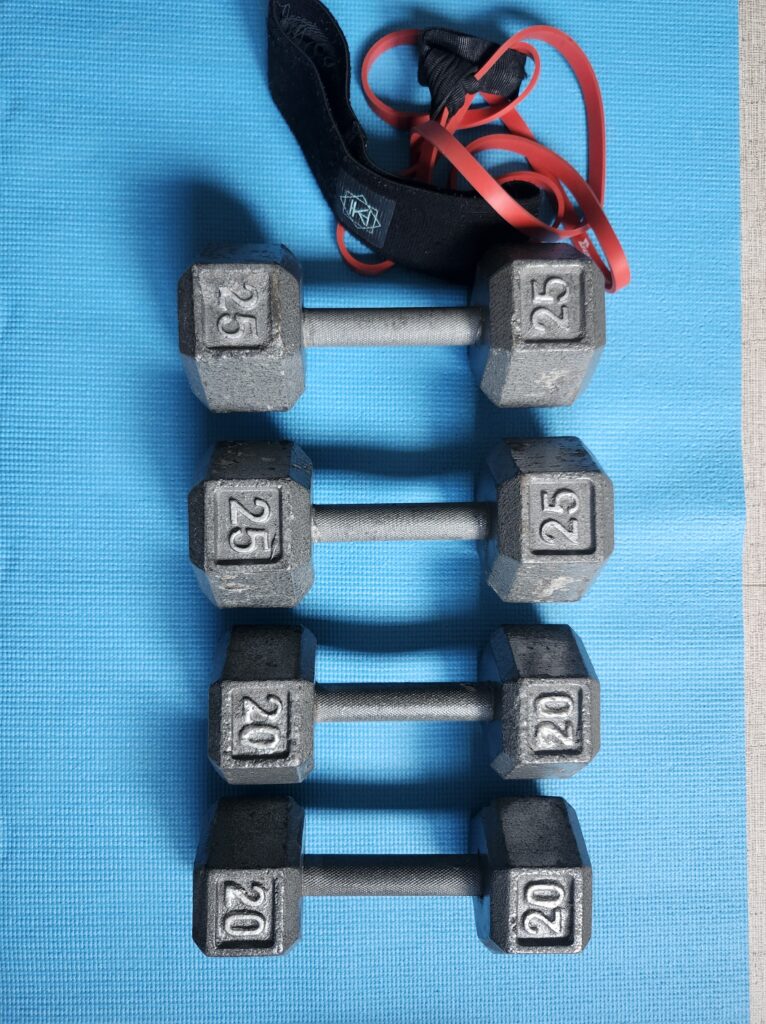
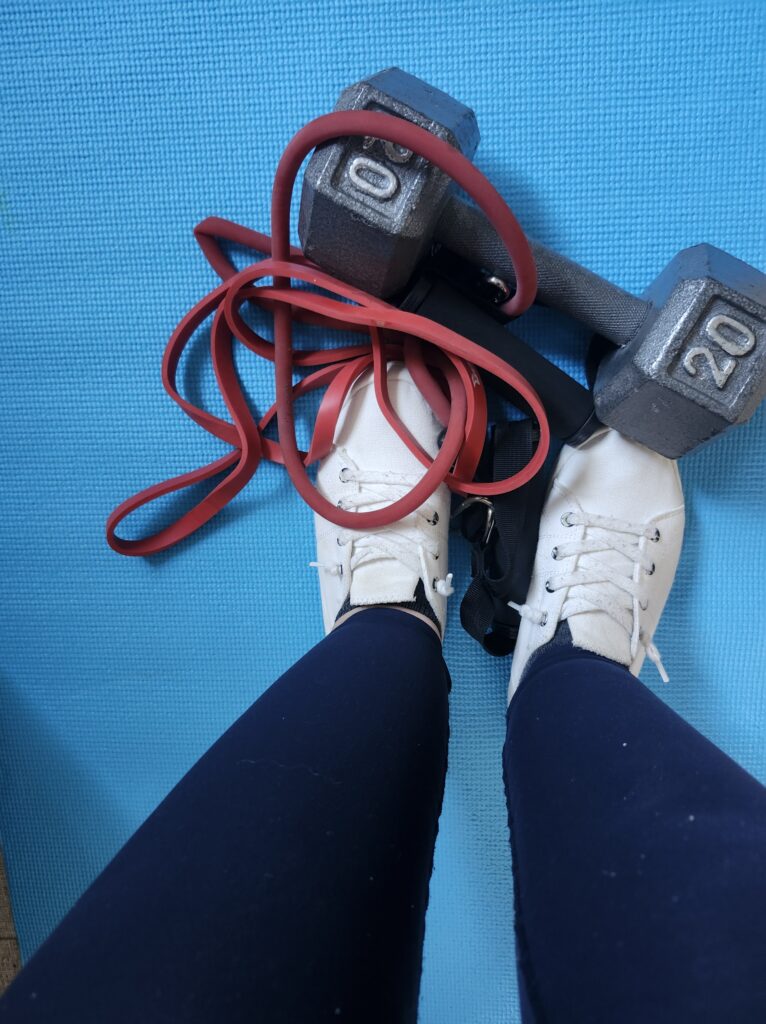
If it’s been a while since you’ve picked up weights — or ever — start small. You don’t need a gym membership or fancy equipment to get results. A few pairs of dumbbells, resistance bands, and your own body weight are enough. I personally love using adjustable dumbbells because they save space and grow with you.”
Here’s where to focus first:
1. Learn the Basics
Start with compound movements that train multiple muscles at once:
- Squats (legs + glutes)
- Push-ups or wall push-ups (chest + arms)
- Rows with dumbbells or bands (back + shoulders)
- Glute bridges (hips + core)
- Planks (core + posture)
These are the foundation for everything else.
If you’re unsure about form, try following along with short beginner videos on YouTube or using an app like Fitbod or Centr that offers form demos.
2. Start Light — Then Progress Slowly
The goal isn’t to lift the heaviest weight possible; it’s to build consistency first.
Pick a weight that feels challenging for the last 2–3 reps but doesn’t compromise your form. As you feel stronger, gradually increase the weight or add one more set.
3. Prioritize Recovery
Your body needs rest to rebuild.
Try 2–3 strength sessions per week, with active recovery days (like walking or stretching) in between.
Making Strength Training Work in Real Life
You don’t have to spend hours in the gym. You just need a plan that fits your life.
Here’s how to make it realistic and doable:
Keep it short.
Even 20–30 minutes, two or three times a week, makes a huge difference. You can split workouts into:
- Lower body day: squats, lunges, bridges
- Upper body day: push-ups, rows, overhead presses
- Full body day: mix both for balance
Stack it with habits you already have.
One of my favorite tricks: doing a few sets while the coffee brews or right after my morning walk. The easier it is to start, the more likely you’ll keep going.
Track your progress.
Jotting down your workouts helps you see just how far you’ve come. Watching your weights increase over time is incredibly motivating.
(You can use a small fitness journal or a habit tracker app to make this easier.)
Common Mistakes to Avoid (and How to Fix Them)
Starting strong doesn’t mean going too hard too soon. Here are a few mistakes many women make — and how to sidestep them:
- Skipping warm-ups and cool-downs:
Always spend 5 minutes warming up — think light cardio or dynamic stretches. It preps your joints and muscles for movement. So important to warm up. Do not skip this!! - Neglecting form:
Quality over quantity. Record yourself, use mirrors, or ask a trainer to check your form early on. Focus on proper form and improving each day. - Not eating enough protein:
Protein is essential for recovery and muscle repair. Aim for a balanced portion at each meal — chicken, fish, eggs, or a clean protein powder. - Comparing yourself to others:
Strength is personal. You’re not behind — you’re right on time for your journey.
It is easy to compare yourself to those around you, but remember some of the people in the gym are half your age. This will only lead to frustration. Focus on YOUR body and what YOU can do. Progress over time and you will be amazed at what your body is capable of.
Beginner-Friendly Strength Training Essentials
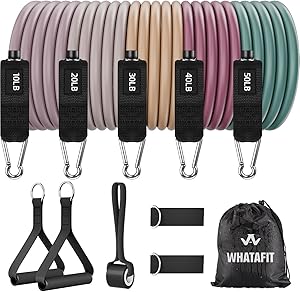
Exercise Bands,Resistance Bands for Working Out



A Simple Beginner Strength Routine (You Can Start Today)
Try this 20-minute beginner-friendly workout you can do at home with dumbbells or resistance bands:
Warm-up (3–5 minutes):
- March in place
- Arm circles
- Gentle squats
Workout (2–3 rounds):
- 10 squats
- 10 push-ups (wall or knee)
- 10 bent-over rows
- 10 glute bridges
- 30-second plank
Cool down (2–3 minutes):
- Stretch your hamstrings, hips, shoulders, and chest
- Deep breathing
That’s it. Simple, effective, and perfectly doable — even on a busy day.
Strength That Fits Your Life
Starting strength training after 40 isn’t about pushing harder — it’s about training smarter.
It’s learning to honor your body, give it what it needs, and celebrate progress over perfection.
Every time you lift a weight, show up for a short workout, or choose rest over burnout, you’re building something far bigger than muscle — you’re building confidence and resilience.So start small, be patient with yourself, and remember:
You’re not behind — you’re just getting started, stronger than you think.