
*This post may contain affiliate links for which I earn commissions.*
Many of us were told that hitting midlife means our bodies simply slow down — that weight gain is inevitable, energy will always be low, and there’s nothing we can do about it.
But that’s not actually the full story.
Our metabolism does shift during midlife, but not in the dramatic “everything falls apart” way we often hear. What changes is how our body responds to stress, muscle loss, sleep, and hormones — not our ability to feel strong, energetic, and confident again.
The real truth?
Once we understand what’s different, we can work with our bodies instead of feeling frustrated by them.
In this post, we’ll break down what actually changes (and what doesn’t) so you can make choices that feel supportive, not exhausting.
Your Metabolism Didn’t Just “Slow Down” — Your Muscle Mass May Have Shifted
One of the biggest factors in metabolism is muscle mass. Muscle is metabolically active, meaning it uses energy even when you’re resting. Beginning in our late 30s and 40s, we naturally lose some muscle unless we actively maintain or build it.
This is called sarcopenia, and it’s normal — but it’s also very workable.
More muscle = higher metabolic burn
Less muscle = less metabolic burn
This is why many women feel like, “I’m eating the same, exercising the same… and gaining weight anyway.”
What’s changed isn’t your willpower.
It’s your muscle.
I remember stepping on the scale one morning and thinking, “Wait, when did this happen?” I was still active, still walking regularly, still doing “all the things.” But I realized most of my movement was cardio-based — no strength training. The shift didn’t happen overnight, but slowly. Once I started adding short, simple strength sessions 2–3 times a week, similar to what I share in my post on The Beginner’s Guide to Strength Training After 40 I noticed my body feeling stronger and my energy improving before any physical changes showed up. I still struggle with how long it takes to see any physical changes but I know I am doing what is best to support my body now.
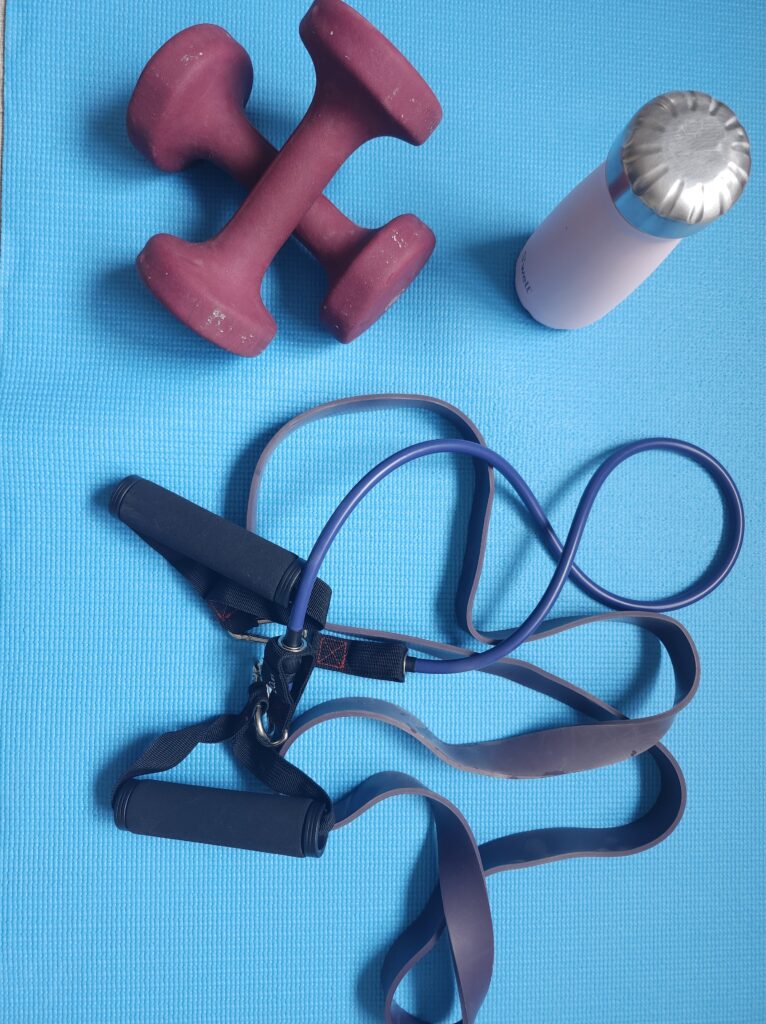
In this season, simple strength tools like these resistance bands can make strength training easier at home
Hormones Influence Hunger, Energy & Sleep — But They Don’t Control Everything
Perimenopause brings natural hormonal shifts — especially in estrogen and progesterone. These hormones help regulate:
- How well we build muscle
- How steadily we burn energy
- How hungry or full we feel
- How well we sleep and recover
So if you’ve noticed that stress hits differently… cravings feel stronger… or you don’t bounce back like you used to — that’s real.
But here’s the hopeful part:
Your body is adaptable.
It’s not broken.
It just needs support that matches the season you’re in.
There was a stretch when I couldn’t understand why I felt tired even when I was eating “healthy.” It wasn’t about information — it was about listening. Once I started eating more protein – which I talke about more here -and spacing meals in a way that balanced my blood sugar, my energy didn’t crash as hard in the afternoons. It felt like I had access to my own body again instead of working against it.

What Doesn’t Change: Your Body’s Ability to Get Strong & Feel Energized
This part is important:
Your metabolism is not doomed.
Your body can still build muscle, burn energy efficiently, and feel vibrant.
Midlife simply asks for:
- More intentional strength training
- More consistent protein intake
- More mindful recovery (sleep, stress, hydration)
- Less “push harder” mentality
This isn’t about doing more.
It’s about doing what actually matters.
The Metabolism-Strength Connection in Midlife
To support your metabolism, focus on:
A. Strength Training
2–3 sessions per week
15–30 minutes each
Simple movements are enough:
- Squats (or chair sit-to-stand)
- Rows or band pulls
- Hip hinges (like deadlifts)
- Push-ups (wall, counter, or floor)
- If you’re new to this, a simple set of loop resistance bands makes strength workouts so accessible.
Beginner Strength Essentials I recommend for Women starting out working out at home.

Adjustable Dumbbell (Single) by ROBURFLEX for Workout Strength Training Fitness Home Gym

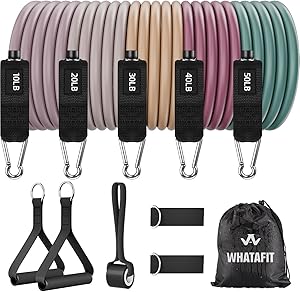
Resistance Bands, Exercise Bands,Resistance Bands for Working Out with Handles

Exercise Ball for Yoga, Pilates & Fitness – Stability Ball Equipment for Home Gym
B. Protein Intake
Protein supports muscle repair and hormone balance.
Aim for:
25–35 grams per meal (not perfect — just guiding)
Examples:
- Eggs + Greek yogurt
- Chicken + veggies + rice
- Greek Yogurt, protein powder, honey, strawberries and chia seeds
- Protein smoothie with fruit and almond butter

C. Support Stress & Sleep
These two influence metabolism more than we realize.
Try:
- Light morning sunlight for 5 minutes. This one is SO important. I didn’t realize how important.
- A consistent wind-down routine
- A magnesium glycinate supplement (optional)
A Simple “Metabolism Support” Daily Routine
No tracking, no strict rules — just rhythm:
Morning:
- Drink water
- Light movement or stretch
- Protein-focused breakfast
Afternoon:
- 10–20 minutes of strength (at home is fine)
- Balanced lunch (protein + fiber-rich carb + healthy fat)
Evening:
- Power down screens 30 minutes earlier
- Light snack only if needed
- Slow breathing before bed
On days I skip my workout or rely on convenience snacks, I can feel the difference — not just in my energy, but in my mood. I was lacking those good endorphins. But I’ve also learned not to spiral about it. Some days are busier than others and life happens. If all I manage is a 10-minute resistance band workout and some intentional deep breathing before bed, that’s still care. That still counts.
Your Midlife Body Isn’t Slowing Down — It’s Communicating
Your body is not working against you.
It’s asking for a different kind of support than it needed at 25.
And the incredible thing?
When we give it that support — even in small, steady ways — it responds.
You don’t have to overhaul your life.
Just choose one small shift.
Your metabolism is still yours — strong, adaptable, and very much alive.
If you prefer a natural metabolism-support supplement, this midlife-friendly option has helped many women
You deserve to feel at home in your body again — and it’s absolutely possible.If you’ve ever thought, “My metabolism just stopped working after 40,” you’re not alone. Many of us have felt the same ay. You are not alone.