
*This post may contain affiliate links for which I earn commissions.*
If you’ve hit your 40s and feel like your metabolism suddenly “slowed down overnight,” you’re not imagining it. Maybe the same workouts you used to do aren’t giving you the same results, or you notice your energy dips faster than it used to — even when you’re eating healthy and staying active.
Here’s the truth: your metabolism didn’t break — it just changed. Midlife brings hormonal shifts, muscle loss, and lifestyle demands that affect how efficiently your body uses energy. But that doesn’t mean you’re stuck feeling sluggish or frustrated. You can absolutely support your metabolism in ways that work with your body, not against it.
In this post, we’ll unpack what’s really happening with your metabolism in midlife — and how to naturally boost your energy, support muscle tone, and feel more confident in your body again.
What Really Happens to Your Metabolism After 40
As women approach perimenopause and menopause, estrogen levels fluctuate, and that has a ripple effect on nearly every system — including how your body stores and burns energy. Muscle mass naturally decreases (around 3–8% per decade after 30), and since muscle is metabolically active tissue, this can make your metabolism feel slower. I use these as an easy way to support muscle tone at home, resistance bands are a great beginner-friendly option.
Add in a busy life — work, family, stress, less sleep — and it’s easy to see why your energy might feel lower. But the good news? Your metabolism isn’t a fixed number. You can influence it through habits that build lean muscle, balance hormones, and improve recovery.
Why Dieting Harder Isn’t the Answer
Many women respond to midlife weight gain by cutting calories or skipping meals, thinking that less food equals faster fat loss. Unfortunately, this often backfires. Restricting too much can lower your metabolism even more because your body goes into “energy conservation” mode.
Plus, extreme diets often spike stress hormones (like cortisol), which can make it even harder to lose stubborn belly fat.
Instead of focusing on eating less, focus on eating better. That means prioritizing whole foods, protein at every meal, and plenty of colorful veggies.

When I first started to experience changes in my body I tried to eat less and restrict myself. It made me so hungry and cranky and I was looking for anything sweet or salty to eat. When I realized I needed to eat more and not less some of those cravings went away and I noticed I wasn’t as cranky. It’s hard to reprogram our minds to eat more because for many of us we have been so programmed to eat less and be restrictive. It’s about fueling yourself right from the start so you feel better throughout the day.
Strength Training: Your Midlife Metabolism’s Best Friend
If there’s one thing that truly supports your metabolism after 40, it’s resistance training. Lifting weights, using resistance bands, or even bodyweight exercises can help rebuild the muscle mass that naturally declines with age.
Think of muscle as your metabolic “engine” — the more you have, the more efficiently your body burns calories even at rest.
Quick tip: If you’re just starting out, aim for 2–3 strength sessions per week focusing on major muscle groups (legs, back, arms, and core). You don’t need a fancy gym — a simple set of dumbbells or resistance bands works wonders. Don’t overdo it and put too much pressure on yourself as that will only make things worse. Start small and progress over time.
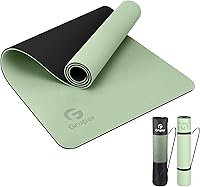
Simple Strength Tools for Busy Women
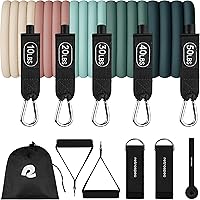
Resistance Bands Set for Working Out

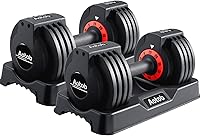
AOTOB 25/55 LBS Adjustable Dumbbell Set
The Lifestyle Habits That Keep Your Metabolism Thriving
Supporting your metabolism isn’t just about workouts — it’s about everything that helps your body recover, repair, and recharge.
Here are a few small but powerful tweaks:
- Get 7–8 hours of sleep. Poor sleep messes with hunger hormones, making you crave sugar and carbs. Sleep is so important – don’t overlook it and dismiss it.
- Manage stress. High cortisol levels can make fat loss harder and increase inflammation. Try to find a time in your day for even a 5 minute decompress.
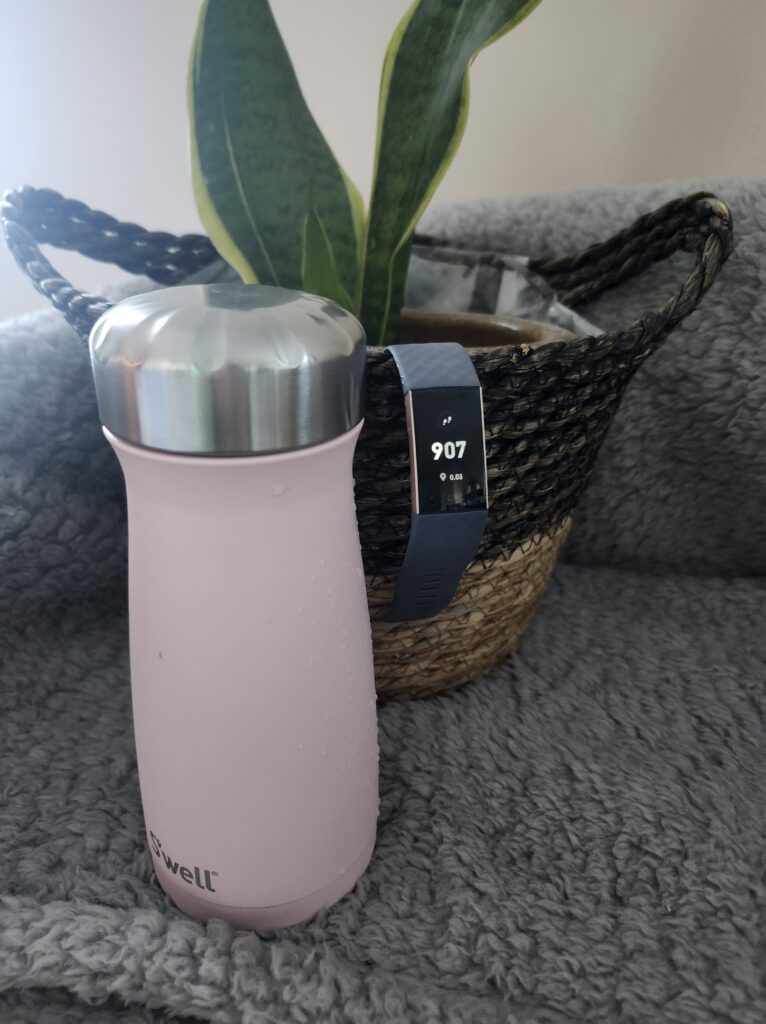
- Stay hydrated. Even mild dehydration slows metabolic processes. Drink your water!
- Eat enough protein. Aim for 25–30g per meal to support muscle repair. I have to keep mentioning this because it is so important.
- Move often. Take short walks, stretch, or do mobility breaks between work calls.
It’s the combination of these small habits that keeps your metabolism humming — not perfection.
A Simple Daily Metabolism Support Routine
Here’s a realistic “mini framework” you can start using right away:
Morning:
- Have a balanced breakfast with protein (e.g., eggs, smoothie, Greek yogurt).
- Move for 5–10 minutes to wake up your muscles and circulation.
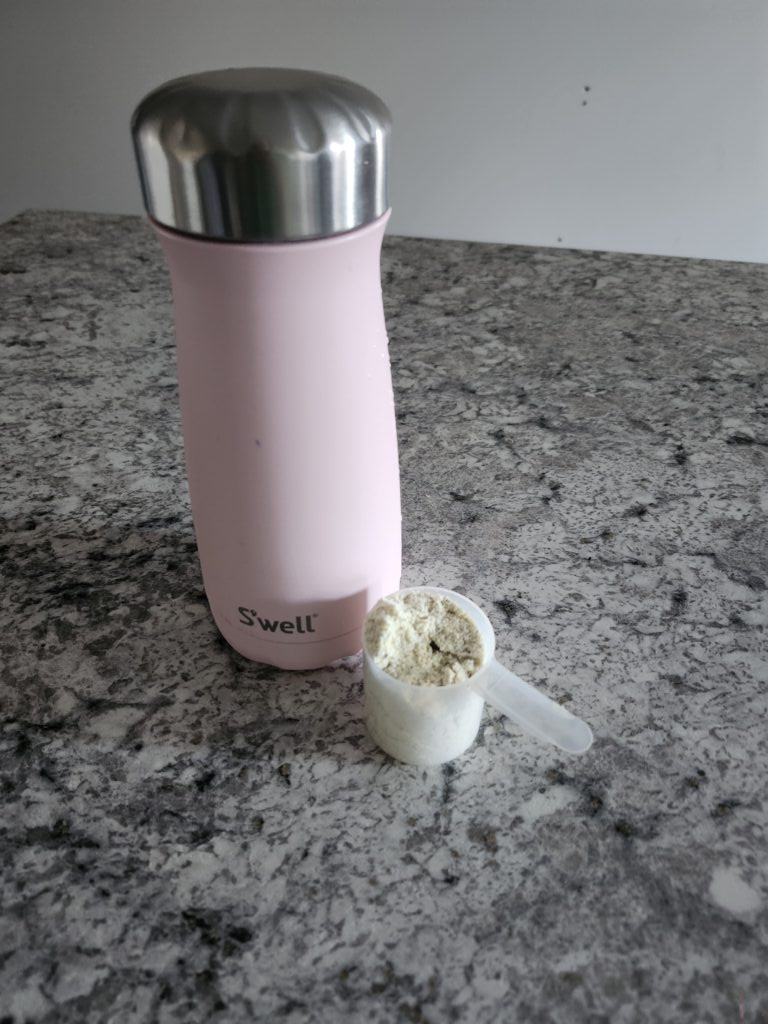
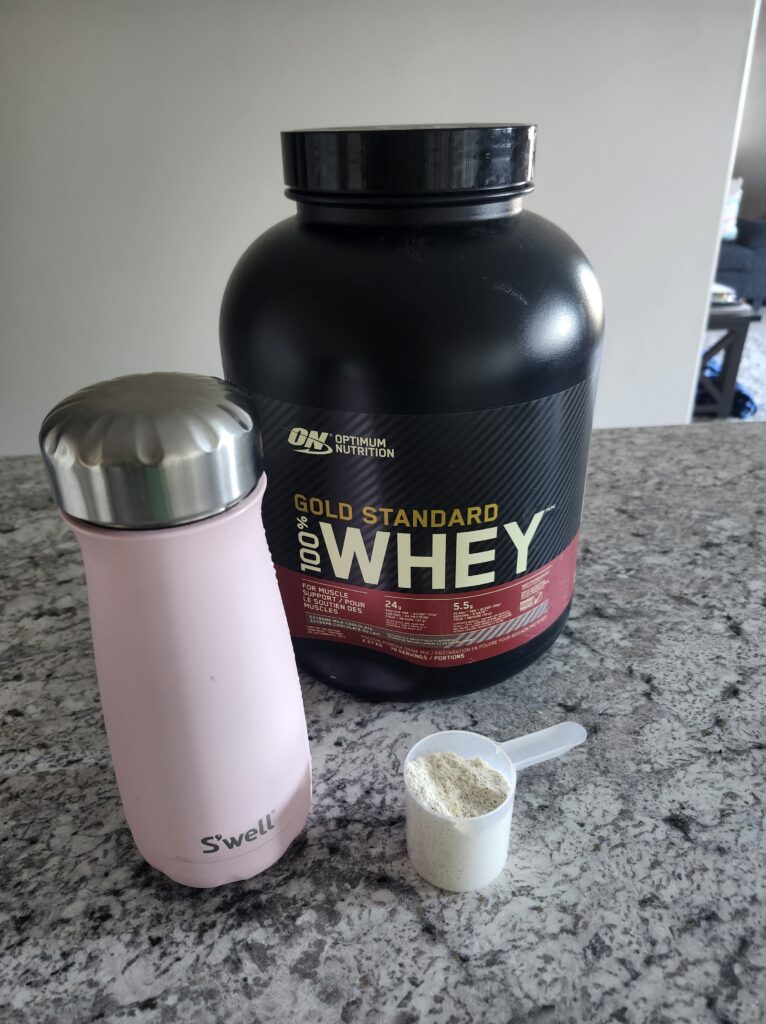
- Protein shake

Midday:
- Get outside or take a short walk after lunch.
- Do 20–30 minutes of resistance training 2–3 days per week.
Evening:
- Eat a satisfying dinner with lean protein and fiber-rich carbs.
- Wind down with a short stretch or breathwork routine before bed.
Consistency matters far more than perfection — even if you start with one small change, it’s a step toward supporting your metabolism naturally.
Your midlife metabolism isn’t your enemy — it’s just asking for a little more attention and care. When you focus on building muscle, eating enough (not less), and managing stress, your body responds with more energy, better sleep, and a renewed sense of confidence.
You don’t have to overhaul your life to feel better — just build from where you are. Every small shift counts.