
*This post may contain affiliate links for which I earn commissions.*
If you’ve ever stared at your workout shoes after a long day and thought, “Maybe tomorrow…”, you’re not alone.
Between work, family, and the never-ending to-do list, fitting in fitness can feel impossible — especially when your energy isn’t what it used to be.
Here’s the truth: you don’t need hours at the gym or a rigid routine to feel strong and confident again. The secret? Tiny, consistent changes that fit into your real life.
In this post, I’ll show you how small tweaks can help you build strength, energy, and confidence — without overhauling your schedule or burning out.
Why Fitness Feels Harder in Your 40s (and Why That’s Okay)
Your 40s are a season of transition. Hormonal shifts, slower recovery, and added responsibilities can make it harder to stay consistent — even when you want to.
When I hit my early 40s, I thought the only way to stay fit was to push harder. I was tracking every macro, working out six days a week, and squeezing in workouts even when I was exhausted. On paper, I was “doing everything right.” But in reality? I was drained — physically and mentally.
It took me a while to realize that my body didn’t need more. It needed to be smarter.
Once I stopped chasing perfection and started focusing on consistency, everything changed. My workouts became something I looked forward to again — not another item on my to-do list.
Rethink What Counts as a “Workout”
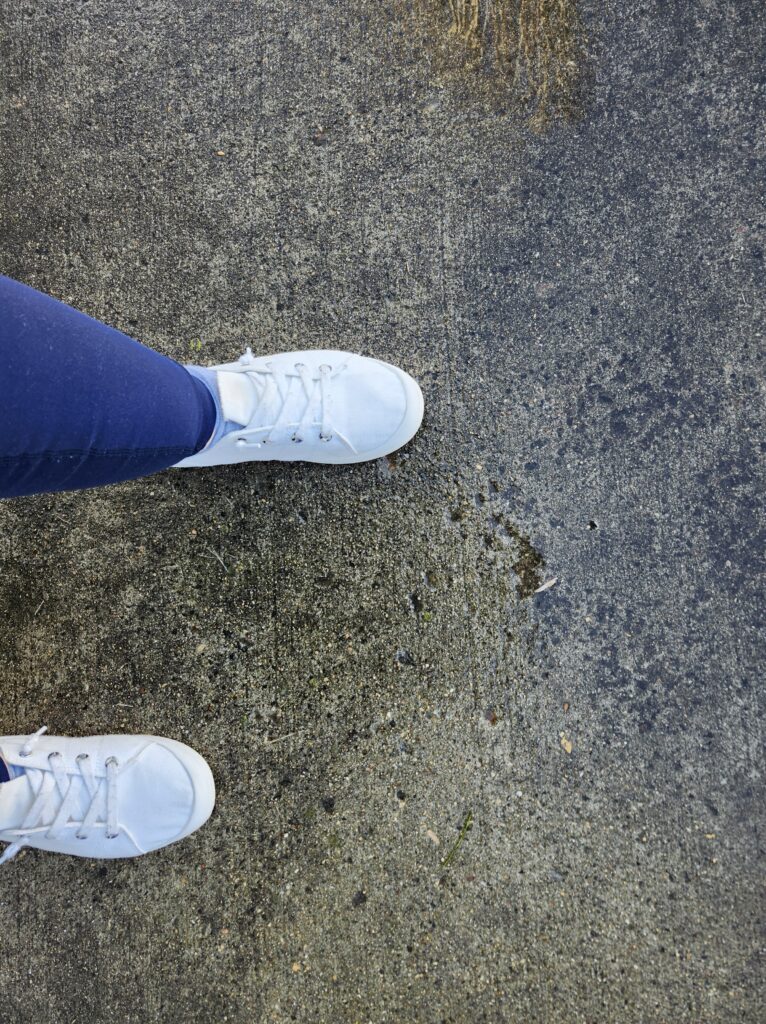
The biggest shift that helped me stay consistent was redefining what counts as fitness.
You don’t need a 60-minute gym session to get results. Ten-minute walks, short mobility flows, or a few sets of squats while dinner cooks — it all adds up.
Movement is movement. The goal is to make it fit your life, not the other way around.
Try these easy ways to move more without adding stress:
- Take a brisk walk while listening to your favorite podcast.
- Do 10–15 bodyweight squats every time you refill your coffee or water.
- Stretch while you’re watching your favorite evening show.
- Keep a set of resistance bands near your desk for quick breaks.
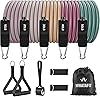
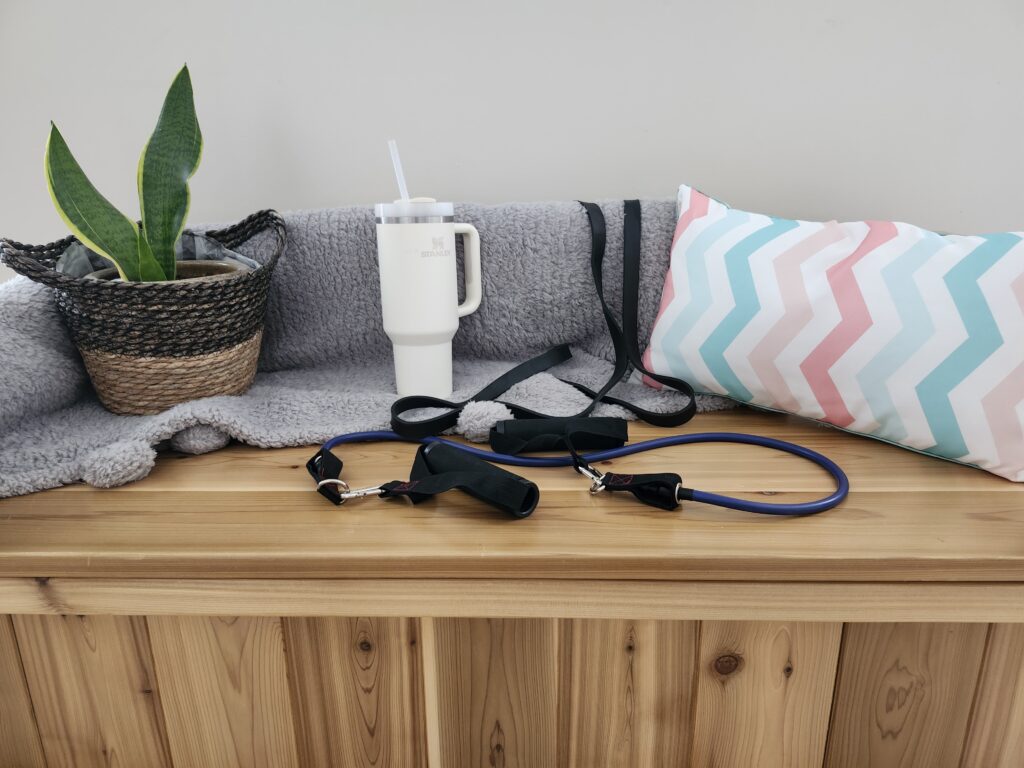
➡️ I use these simple resistance bands — they’re affordable and perfect for quick midlife movement breaks.
When you stack these tiny bursts of movement throughout your day, they start to make a real difference — not just for your body, but for your energy and mindset too.
Let Go of “All or Nothing” Thinking
If you’ve ever skipped a workout because you didn’t have a full hour, you’ve probably fallen into the “all or nothing” trap — and trust me, I’ve been there.
For years, I believed that if I couldn’t do a “perfect” workout, it wasn’t worth doing at all. That mindset kept me stuck. Once I gave myself permission to do something instead of everything, I became consistent — and consistency is where the results really happen.
Now, even on my busiest days, I aim for movement in some form. Sometimes that’s 20 minutes of strength training, sometimes it’s a walk outside to clear my head. I love using a lightweight crossbody belt bag on my walks — fits phone, keys, and doesn’t bounce
One of the best shifts I made was taking Sundays off from structured workouts. I used to force a session in even when I was exhausted, thinking it was the only way to stay on track. Instead of feeling accomplished, I felt burned out.
Now, Sundays are my reset day — I go for a walk, head to church, and give myself space to recharge. I start the week feeling more energized and grounded, and my workouts actually feel better because of it.
Build a “Minimum Baseline” Routine
Here’s a simple trick: instead of trying to follow a complex workout schedule, create a minimum baseline — your non-negotiable, easy-to-hit routine that keeps you consistent even on busy weeks. Once I started my non-negotiables it became much more doable and not as overwhelming.
For example, your baseline might be:
- Two strength workouts per week (20–30 minutes each)
- One walk of at least 20 minutes
- Five minutes of stretching or mobility daily
My Go-To Tools for Quick Workouts at Home



Neoprene Dumbbell Hand Weights
That’s it. Anything extra is a bonus, but hitting your baseline means you’re still progressing — even in your busiest seasons.
I’ve found this approach so freeing. It takes away the guilt of “falling off track” because your plan is realistic, doable and sustainable. And when you hit your baseline consistently, those small wins build confidence fast.
Make Recovery and Rest Part of the Plan
In our 20s, we could push through fatigue and bounce back the next day. In our 40s, recovery isn’t optional — it’s essential.
When you rest, your body repairs, your hormones rebalance, and your energy rebuilds. Without it, you’re just running on empty. I learnt this the hard way. I was burning out on so many levels and when I made recovery a priority it made a difference and then I realized how important it was for me to focus on.
Here’s what’s helped me:
- Going to bed 30 minutes earlier (it makes a huge difference)
- Doing light stretching or deep breathing before bed
- Saying no to late-night screen time when I can
- Listening to my body instead of fighting it
If you’re always tired, don’t assume you need to do more. Sometimes, the next best step is actually to do less.
Track Progress That Actually Matters
It’s easy to get discouraged if you’re only tracking the scale. Instead, look at progress that reflects your real wins:
- Are you sleeping better?
- Do your clothes fit more comfortably?
- Are your moods and energy more stable?
- Do your workouts feel stronger or easier?
I keep a simple journal where I jot down how I feel after workouts — stronger, calmer, more confident. Over time, those notes became proof that these tiny changes were adding up in powerful ways.
The Bottom Line: You Don’t Need a Perfect Plan — Just a Consistent One
You don’t have to overhaul your life to feel strong again. You just have to start — small, steady, and realistic. Don’t overwhelm yourself. Slow and steady wins the race.
Remember, your fitness journey in midlife isn’t about punishment or perfection. It’s about showing up for yourself — one walk, one stretch, one workout at a time.So this week, pick one small change you can commit to. Maybe it’s a 10-minute walk, a morning stretch, or simply giving yourself grace on busy days.
Those tiny steps? They’ll add up faster than you think.