
*This post may contain affiliate links for which I earn commissions.*
When That “I’ll Start Monday” Energy Fades
We’ve all had those bursts of motivation — the kind that has you meal prepping, setting goals, and promising yourself this time will be different.
Then, life happens. Work deadlines, hormones, kids, exhaustion — and suddenly, that spark is gone.
If this sounds familiar, please know it doesn’t mean you’re lazy or undisciplined. It means you’re human.
Motivation isn’t a personality trait; it’s an emotion — and emotions are meant to ebb and flow. Especially in your 40s and 50s, when energy, hormones, and responsibilities pull you in every direction.
The good news? You don’t need endless motivation to stay consistent. You just need the right tools to keep moving when that fire burns low.
In this post, I’ll share what’s worked for me and other women I’ve talked to when motivation disappears — because it will. You’ll walk away with practical steps to stay steady even when you’re not “feeling it.”
Motivation Is Fleeting — Systems Keep You Grounded
In my early 40s, I used to wait for motivation to strike before doing anything. I’d tell myself, “I’ll start again when I’m in the right headspace.”
The problem? That magical headspace never lasted long.
It wasn’t until I started treating motivation as a bonus — not the foundation — that things finally clicked.
Here’s what I’ve learned: motivation gets you started, but systems keep you going.
If your plan relies on feeling inspired every day, it’s already too fragile. What you need instead are small, automatic habits that carry you through the uninspired days.
For example:
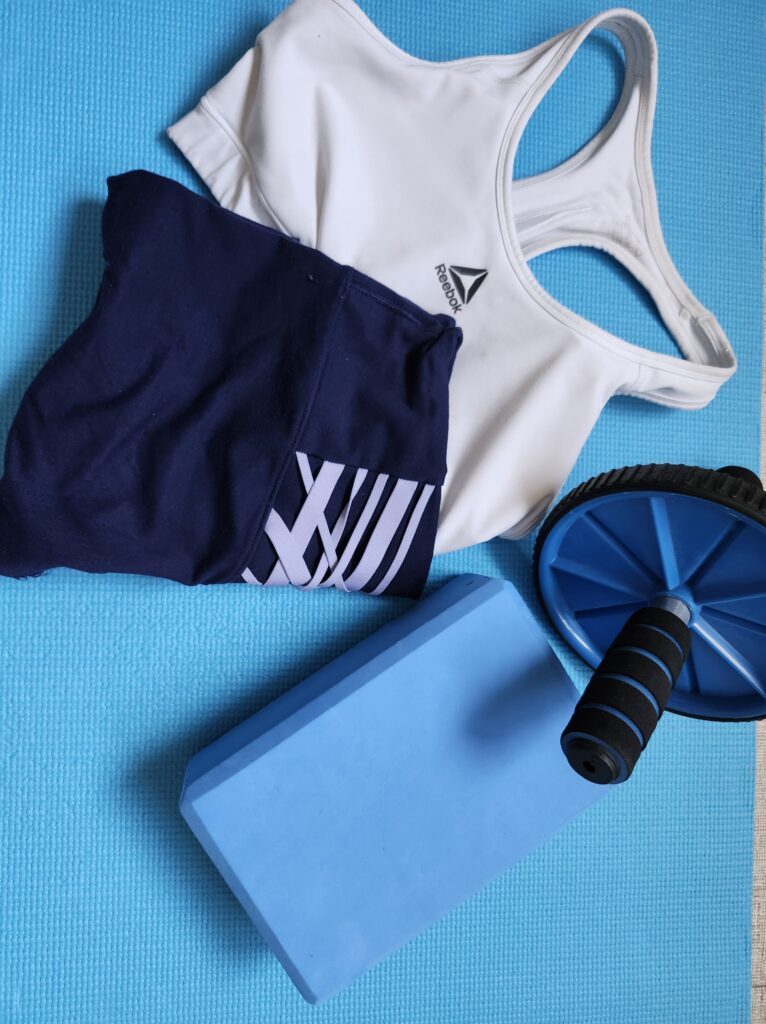
- Lay out your workout clothes the night before so it’s one less decision in the morning.
- Schedule your workouts like meetings — non-negotiable, but short enough to be doable.
- Keep your gym space (even if it’s just a yoga mat in the corner) ready to go.
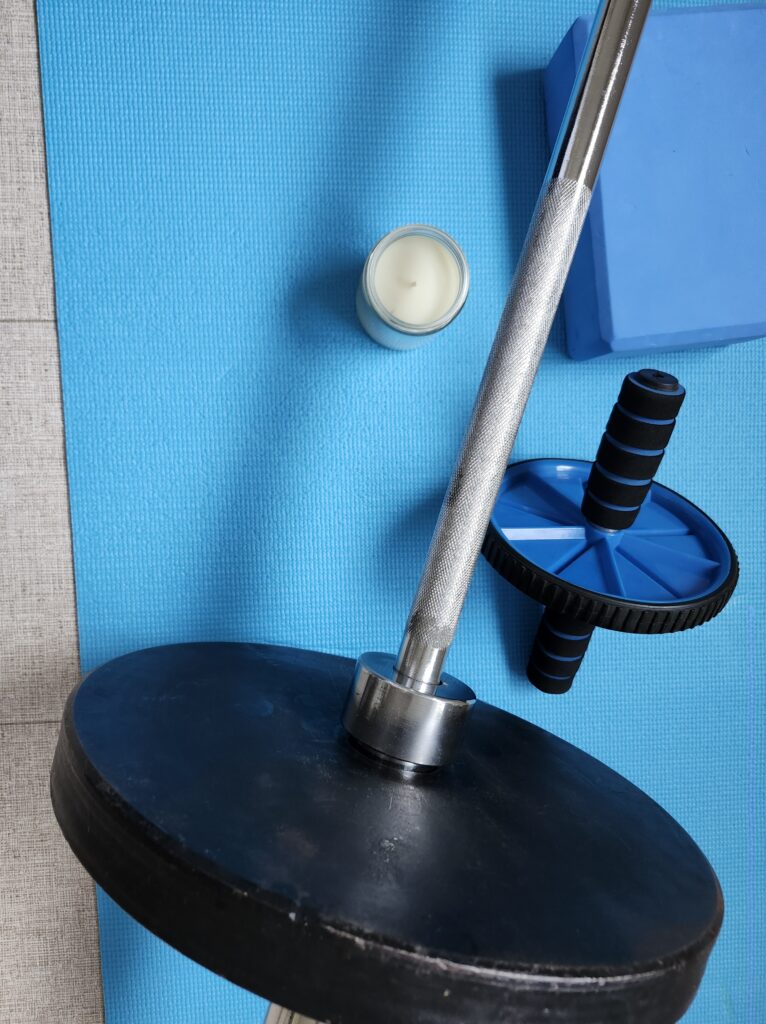
I have a compact corner in my living room with a mat, weights, and a candle I light before I stretch. It’s my reminder that wellness doesn’t have to be big or complicated — it just has to be consistent. I make sure this area is always ready to go the night before because the last thing I want to do when I wake up is organize my space.


Why Motivation Dips Hit Harder in Midlife
There’s a reason staying motivated feels tougher after 40 — and it’s not your imagination.
Hormonal shifts in perimenopause can affect energy, sleep, and even mood regulation. Add in career stress, caregiving, and the mental load of juggling everyone’s needs, and it’s no wonder your drive fluctuates.
I remember one stretch where I couldn’t figure out why I was dragging myself through every workout. I was still doing “all the right things,” but everything felt harder. Once I realized I wasn’t broken — I was burned out — I gave myself permission to rest and reset. Giver yourself permission to rest and rest.
Sometimes, losing motivation isn’t a failure. It’s your body asking for balance.
So if you’re tired, unmotivated, or frustrated, start with compassion — not criticism. If this idea feels hard, this post on From Self-Criticism to Self-Respect: Changing Your Inner Dialogue in Midlife can help you gently shift the way you speak to yourself when motivation is low.
That one shift alone can reignite your energy faster than any new routine.
Small Steps That Rebuild Momentum
When motivation disappears, don’t focus on doing more. Focus on doing something. This is exactly what I talk about in this post and works so well — it helps you take action without needing motivation first.
Here’s a simple rhythm that’s worked well for me and many other women in this stage of life.
1. Anchor to a “Non-Negotiable 10”
Pick one thing that takes ten minutes or less — a walk around the block, a quick stretch, or even making a healthy breakfast.
You’re not aiming for perfect; you’re proving to yourself that you follow through.
I call mine my “non-negotiable walk.” Even on busy days, I step outside for ten minutes. Sometimes I end up walking for thirty; sometimes it’s just around the block. But it reminds me that I can keep promises to myself.
2. Create a Feel-Good Routine, Not a Punishment
When you associate movement or nutrition with guilt, you’ll always resist it.
Ask yourself, “What form of movement feels good today?” Maybe it’s a yoga flow, dancing in your kitchen, or cleaning your space while listening to music.
3. Track Effort, Not Outcomes
Instead of focusing on weight or inches, track habits — how often you walked, stretched, or drank water. You’ll start noticing patterns and progress even when external results lag.
A simple wellness journal can help you stay mindful of what’s working. I like jotting down three wins from the day — no matter how small. “I drank more water” counts!

The Real Reason Motivation Feels So Personal
If you’ve ever thought, “Why can’t I just stay motivated like everyone else?” — pause right there.
Motivation isn’t moral currency. You’re not better or worse depending on how much of it you have.
Women in midlife often carry decades of “shoulds” — I should work out more, eat better, sleep longer, look younger. That pressure alone can drain your drive. This is a hard one because we as females do tend to think of all the shoulds and it is draining and not helpful to your mental health.
I used to believe motivation was the problem. But what I really needed was grace. Grace for busy seasons. Grace for hormonal shifts. Grace for the days I just didn’t have it in me.
And once I started treating myself with the same kindness I’d give a friend, everything softened. The guilt faded, and consistency came back naturally — because I stopped fighting myself.
Practical Reset Plan for When Motivation Disappears
When you feel that slump coming on, here’s a mini plan to reset without quitting:
1. Pause and assess: Ask, “Am I tired, overwhelmed, or uninspired?”
Each answer requires a different solution — rest, simplify, or find something new to look forward to.
2. Shrink the goal: Instead of skipping your workout, do half. Instead of a full meal prep, prep two dinners. Success builds momentum.
3. Change your environment: Play upbeat music, light a candle, or take your yoga mat to a sunny spot. Tiny mood boosters can make a big difference.
4. Revisit your “why.” Write down why you started — was it energy, strength, confidence, longevity? That reminder reconnects you to your purpose when motivation fades.
5. Reward follow-through. A new water bottle, cozy blanket, or even a Sunday rest ritual can make healthy habits feel like something to look forward to.
Motivation Comes and Goes — Self-Respect Stays
Here’s the truth no one tells you: the women who look “motivated” aren’t more disciplined — they’ve just learned how to show up without it.
You don’t need constant drive to succeed. You just need small, repeatable steps that build self-trust.
So the next time motivation disappears (because it will), don’t panic.
Take a breath, pick one small step, and keep going.
You’ve already proven you can do hard things — now it’s about doing them with kindness and consistency.