

*This post may contain affiliate links for which I earn commissions.*
Ever feel like your energy takes a nosedive halfway through the day — no matter how much coffee you drink or how well you think you’re eating? You’re not alone.
Many women in their 40s notice a shift in how their bodies handle food and energy. What used to work in your 30s — skipping breakfast, surviving on caffeine, or grabbing a quick snack between meetings — suddenly leaves you foggy, tired, and craving sugar by 3 p.m.
Here’s the truth: your energy changes after 40 because your hormones, muscle mass, and metabolism change too. But the good news? You can absolutely reclaim your steady energy — not by dieting harder, but by eating smarter.
In this post, we’ll talk about what to eat (and how to eat) to support stable energy throughout the day. No detoxes, no calorie counting — just real food, smart habits, and a few tweaks that make a big difference.
Why Energy Feels Different After 40
As estrogen starts to fluctuate during perimenopause, your body becomes a little more sensitive to blood sugar swings. That means big spikes and crashes — from things like sugary snacks or carb-heavy meals — can leave you more drained than ever before.
At the same time, your muscle mass naturally begins to decline (a process called sarcopenia), which slows metabolism and impacts how efficiently your body uses energy.
Add in stress, a full plate of family and work responsibilities, and possibly less sleep than you’d like — and it’s no wonder energy feels like it’s in short supply.
The goal isn’t to overhaul everything overnight. It’s to make small, sustainable changes that help your body stay fueled, balanced, and supported throughout the day.
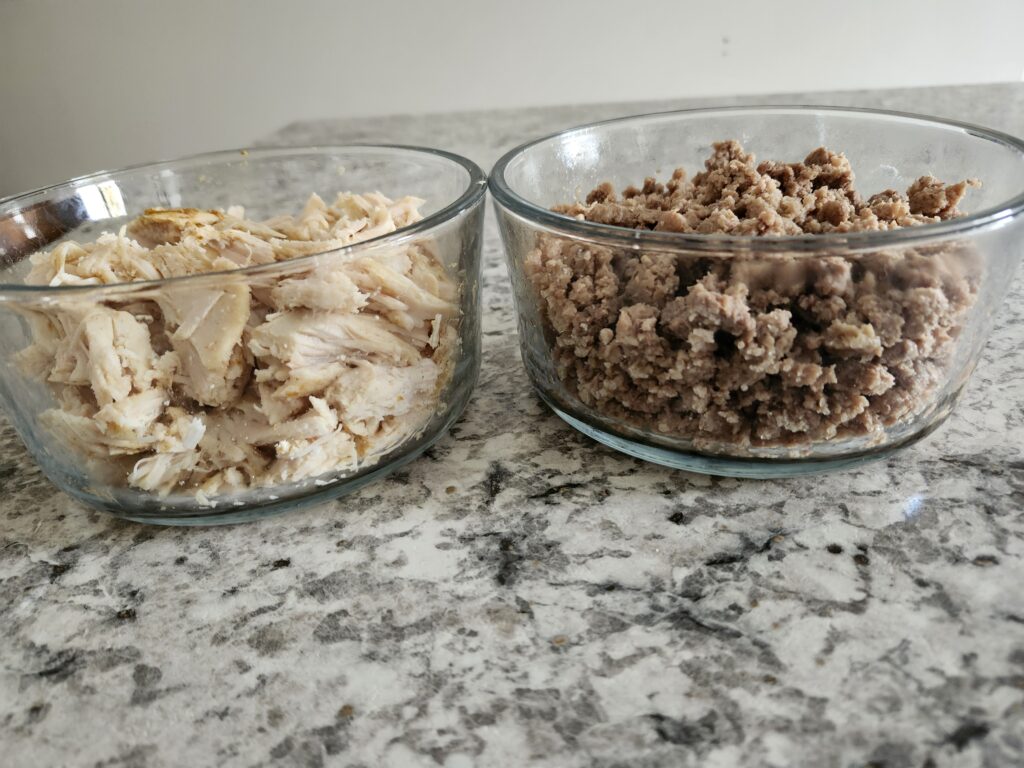
Build Your Meals Around Protein and Fiber
If there’s one nutrition shift that can make the biggest impact after 40, it’s prioritizing protein and fiber.
Protein helps maintain muscle (which supports metabolism and hormone balance) and keeps you full longer. Fiber slows digestion and helps steady your blood sugar levels — no more sharp energy crashes after meals.
A simple formula for balanced meals:

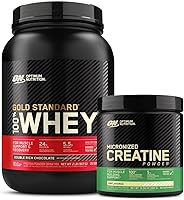
- Protein: Think lean meats, fish, eggs, tofu, Greek yogurt, or a clean protein powder.
- Fiber: Load up on vegetables, berries, beans, lentils, and whole grains.
- Healthy fats: Add avocado, nuts, seeds, or olive oil to help you feel satisfied.
👉 Example: Instead of a bagel with cream cheese, try Greek yogurt topped with berries, chia seeds, and a drizzle of almond butter. You’ll notice the difference in your energy by mid-morning.
When I first started paying attention to my protein intake, I was shocked at how little I was getting especially at breakfast. Once I began starting my mornings with a high-protein oatmeal bake or a protein smoothie, my mid-morning crashes almost disappeared quicker than I had anticipated. I didn’t need that second cup of coffee just to make it through the day anymore. Now I do enjoy the occasional second cup of coffee in the afternoon, but I do that more out of enjoyment rather than needing it for energy 🙂
Eat Consistently — Don’t “Save Up” Calories
Many women fall into the trap of eating too little during the day and then overeating at night. Maybe you’re busy, maybe you’re trying to cut calories — but this pattern leads to the very energy rollercoaster you’re trying to avoid.
When you go too long without food, your blood sugar drops, cortisol spikes, and your brain starts shouting for quick energy — usually in the form of carbs or sugar.
Instead, aim for three balanced meals and one or two snacks spaced every 3–4 hours. You don’t need to be perfect — just consistent enough to keep your energy tank steady.
Try this:
- Breakfast: Protein smoothie or eggs with veggies
- Lunch: Chicken or chickpea salad with olive oil dressing
- Snack: Handful of almonds and fruit
- Dinner: Salmon, roasted vegetables, and quinoa
Watch the Hidden Sugar (It’s Sneakier Than You Think)
After 40, your body can become less efficient at managing blood sugar, which means that hidden sugars in “healthy” foods — like flavored yogurt, granola bars, or even certain dressings — can quickly drain your energy.
You don’t need to cut all the sugar; just be more aware. Check labels for added sugars (anything ending in “-ose,” like fructose or sucrose) and aim to keep total added sugar under about 25 grams per day.
Instead of reaching for sugary snacks, try these energy-friendly swaps:
- Swap flavored yogurt → plain Greek yogurt with fruit
- Swap granola → oatmeal with nuts and cinnamon
- Swap sweet coffee drinks → coffee with almond milk or a splash of cream
Again, I was so surprised when I really started to read food labels and realized just how much sugar was in certain kinds of foods – yogurts are very sneaky. If I had one recommendation it would be to check your food labels to see how much sugar is hiding in different foods. Especially those labeled “healthy”. That term is very deceiving.
When your blood sugar stays balanced, your energy — and your mood — stay balanced too.
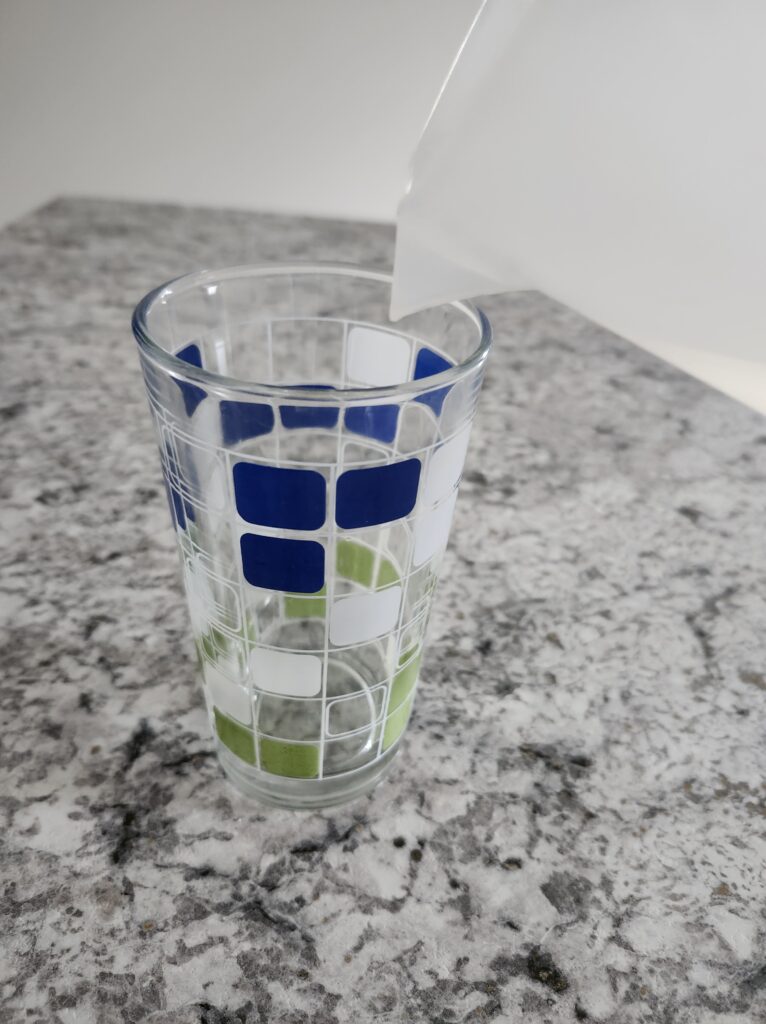
Hydrate Like It’s Your Job
Dehydration is one of the most overlooked causes of fatigue. Even mild dehydration can slow down circulation and make you feel sluggish or foggy.
As estrogen levels dip, your body holds less water, making hydration even more important in your 40s and 50s.
Aim for 8–10 cups of water a day, and add electrolytes if you’re active or sweat often. Herbal teas and infused waters count too!

This was so eye opening for me. I initially found it hard having to track different things like protein, fiber and water, but once I began to track my intake on these things I realized just how low most of my macros and water really were. And over time, tracking both macros and water does become easier and it gives you the insight you need and you can begin to improve on those things and then you will slowly notice feeling more energy over time.
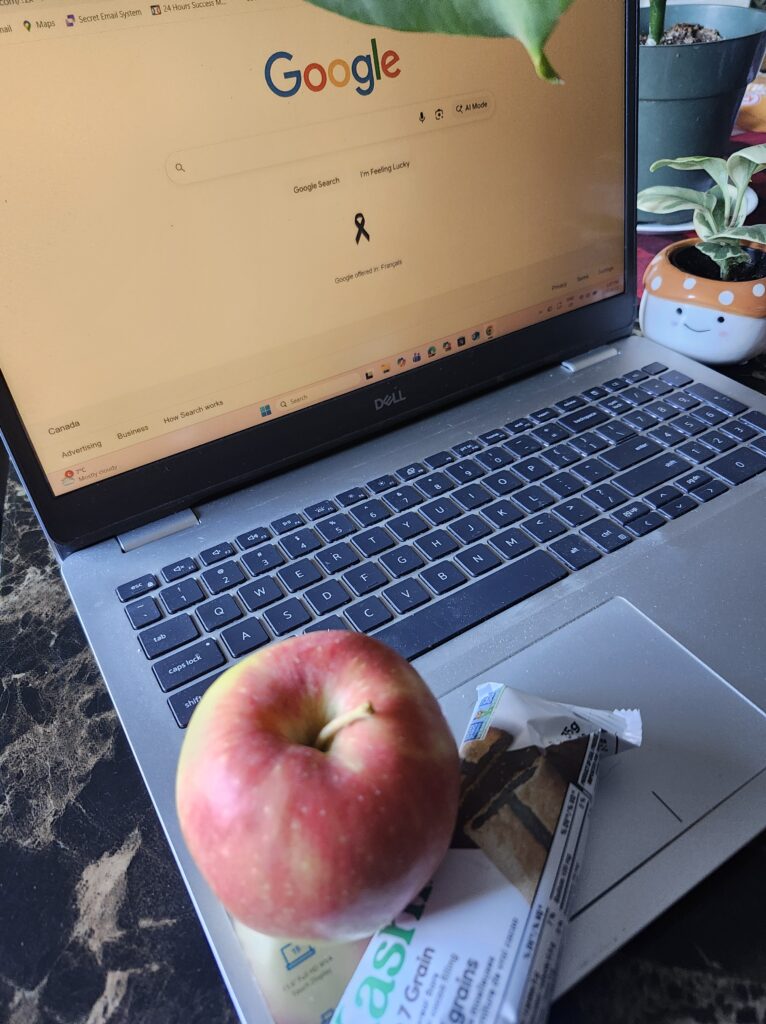
Don’t Forget Micronutrients
Certain nutrients become extra important for women in midlife — especially those tied to energy and hormone balance.
If you’re eating well but still dragging, it might be worth checking with your healthcare provider about:
- Iron: Low iron can cause fatigue, especially if your periods are still irregular.
- Vitamin D: Supports energy, mood, and immune health.
- Magnesium: Helps with sleep, muscle recovery, and nervous system regulation.
- B Vitamins: Key players in converting food into energy.
You don’t necessarily need a handful of supplements — a balanced diet plus a good-quality women’s multivitamin can go a long way.
Your Steady Energy Blueprint
Here’s a simple framework to start balancing your energy this week:
- Eat within an hour of waking. Start your day with protein + fiber.
- Don’t skip meals. Fuel every 3–4 hours.
- Include protein at every meal. Aim for 20–30g per meal.
- Stay hydrated. Keep water nearby all day.
- Check your nutrients. Fill in gaps if needed.
Small steps add up fast — especially when they become daily habits that fit your life, not fight against it.
Recommended Tools for Steady Energy



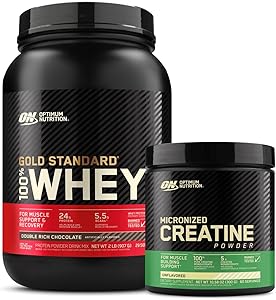
Optimum Nutrition ON Gold Standard 100% Whey Protein
Energy After 40 Is Possible
Feeling constantly tired doesn’t have to be your new normal. With a few mindful changes — like steady meals, smarter snacks, and better hydration — your body can find its rhythm again.
The goal isn’t perfection or cutting out all the “fun” foods. It’s about giving your body the steady fuel it needs to show up for the things (and people) you love most.
You deserve to feel energized, capable, and confident — at every age. Start small today. Your future self will thank you.